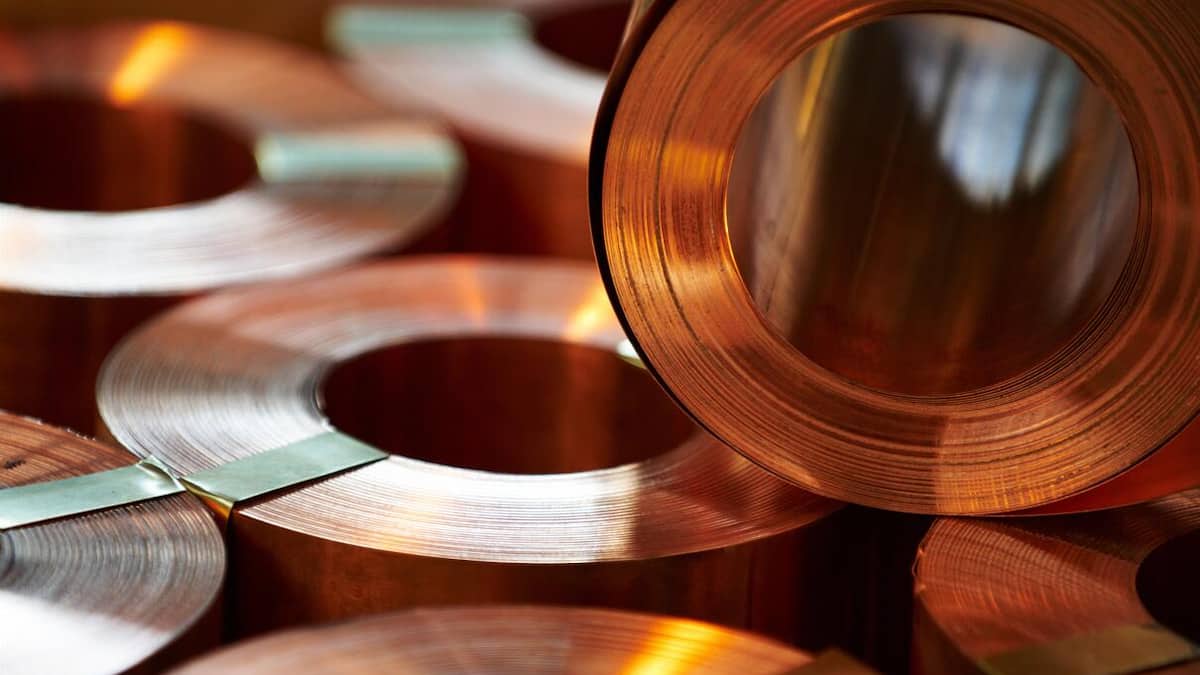
Copper reached a record price on the London Metal Exchange on Monday evening, when one tonne of the industrial metal was briefly valued at $14,533. The level surpassed the previous high set earlier this year. Over the past year, copper has risen by more than 40%, and its price has tripled over the past decade.
Several factors are supporting the rally. Supply concerns are prominent: copper output in Chile, the world's largest producer of copper ore, has fallen sharply because of unfavorable weather conditions. Barbara Lambrecht, an analyst at Commerzbank, said production was 9.4% below the year-earlier level. Mine incidents in Chile last year also slowed output, while production problems in other major producing countries, including Indonesia, have weighed on supply.
Demand is also expected to increase. Copper is valued for its conductivity, malleability and resistance to corrosion, making it suitable for electrical wiring and electronic components. It is used in power grids, electric vehicles and other energy-transition applications, and demand is growing from data centers for artificial intelligence and the defense industry.
Tariff risk has added to market caution. The United States imported 225,000 tonnes of refined copper in July, the highest level since statistics began in 1990. Traders are speculating that US President Donald Trump could extend additional tariffs to refined copper imports. Existing US copper tariffs currently apply only to certain processed products, including pipes, wires, rods and plates, and do not cover refined copper itself.