





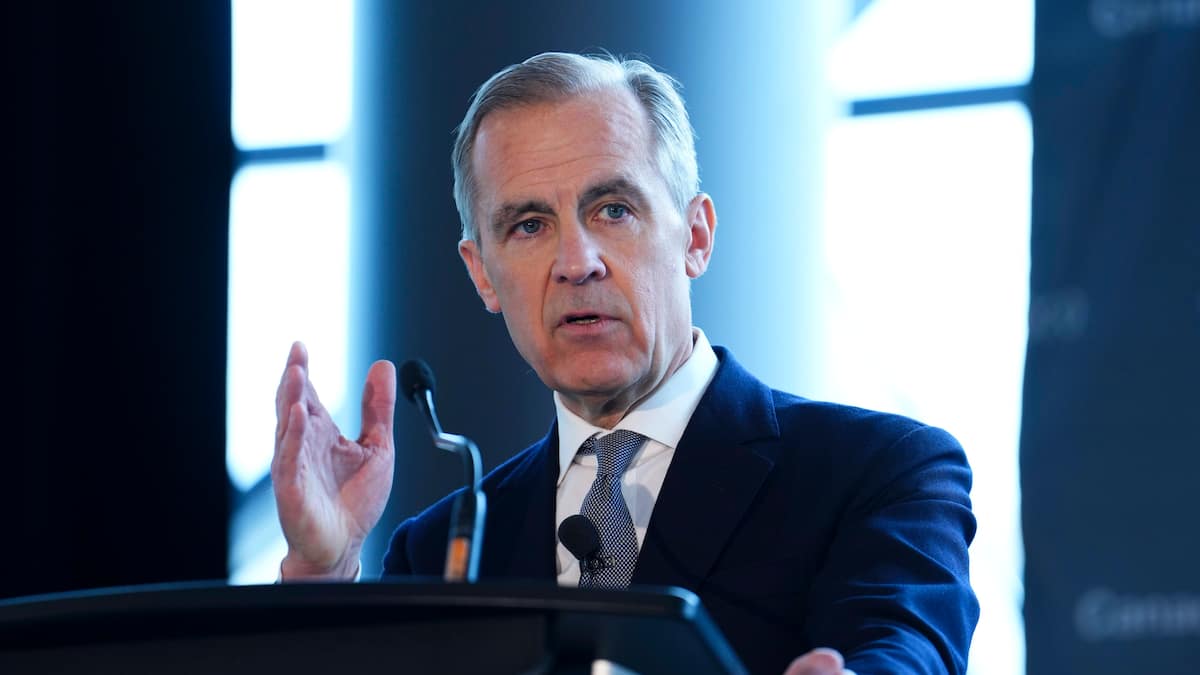
Canadian Prime Minister Mark Carney is convening an investor summit beginning Monday to court international capital for more than 160 domestic projects, a bid to cushion the economy against escalating US trade tensions. The former Bank of England governor and Goldman Sachs executive is targeting C$1 trillion (€620 billion) in foreign investment over five years, with talks concentrated on Tuesday.
Government sources said 12 to 18 months would likely elapse before major deals close. According to a prospectus seen by Reuters, the summit is designed to bring roughly 100 global investors together with Canadian business leaders and local authorities. Invited participants include the heads of BlackRock, Blackstone, Singapore's sovereign wealth fund Temasek, and the Dutch pension fund APG Groep. The investors collectively manage more than C$120 trillion.
The project portfolio spans mining, energy, technology and infrastructure. The technology sector is the largest single focus, with 96 planned data centres on the list. Specific opportunities include an equity stake in quantum computing firm Xanadu, whose commercialisation is targeted for 2029 to 2030, an artificial-intelligence campus in the province of New Brunswick, and a project to produce low-carbon nickel for batteries and green steel.
The push for foreign capital is an urgent priority for Ottawa as US President Donald Trump has threatened 50 percent tariffs on Canadian autos, trucks, auto parts and steel following the collapse of bilateral trade negotiations. The United States is Canada's most important trading partner. Carney is also seeking new commercial partners in the Middle East and Asia and working to strengthen ties with Europe.
To address investor concerns over lengthy regulatory processes, Finance Minister Francois-Philippe Champagne announced on Monday that the Canada Revenue Agency would give priority treatment to pre-inquiries on investments of C$1 billion or more, allowing capital providers to receive a binding tax ruling before committing funds.
Foreign direct investment in Canada has risen since 2022, but the bulk has flowed into mergers and acquisitions. Greenfield investment – spending on new factories and facilities – has not seen a meaningful increase since Carney took office. The current priorities mark a departure from the policy of his predecessor Justin Trudeau, who placed greater emphasis on human rights, climate and indigenous issues. Carney said he welcomed Saudi investors and had improved relations with India and China.
Domestic financial institutions are backing the initiative. TD Bank announced it would provide C$150 billion over five years for lending and project financing, while Scotiabank committed C$100 billion.
The plans have drawn opposition. Unions, indigenous groups, housing advocates and climate and anti-war organisations warned that investors could profit at the expense of ordinary Canadians through housing speculation, fossil-fuel expansion and arms investment. A protest march was planned in Toronto on Monday.
Nick Barry-Shaw of the Council of Canadians criticised the event, saying: "This is not an investment summit. This is a privatization summit. The country is being sold."





