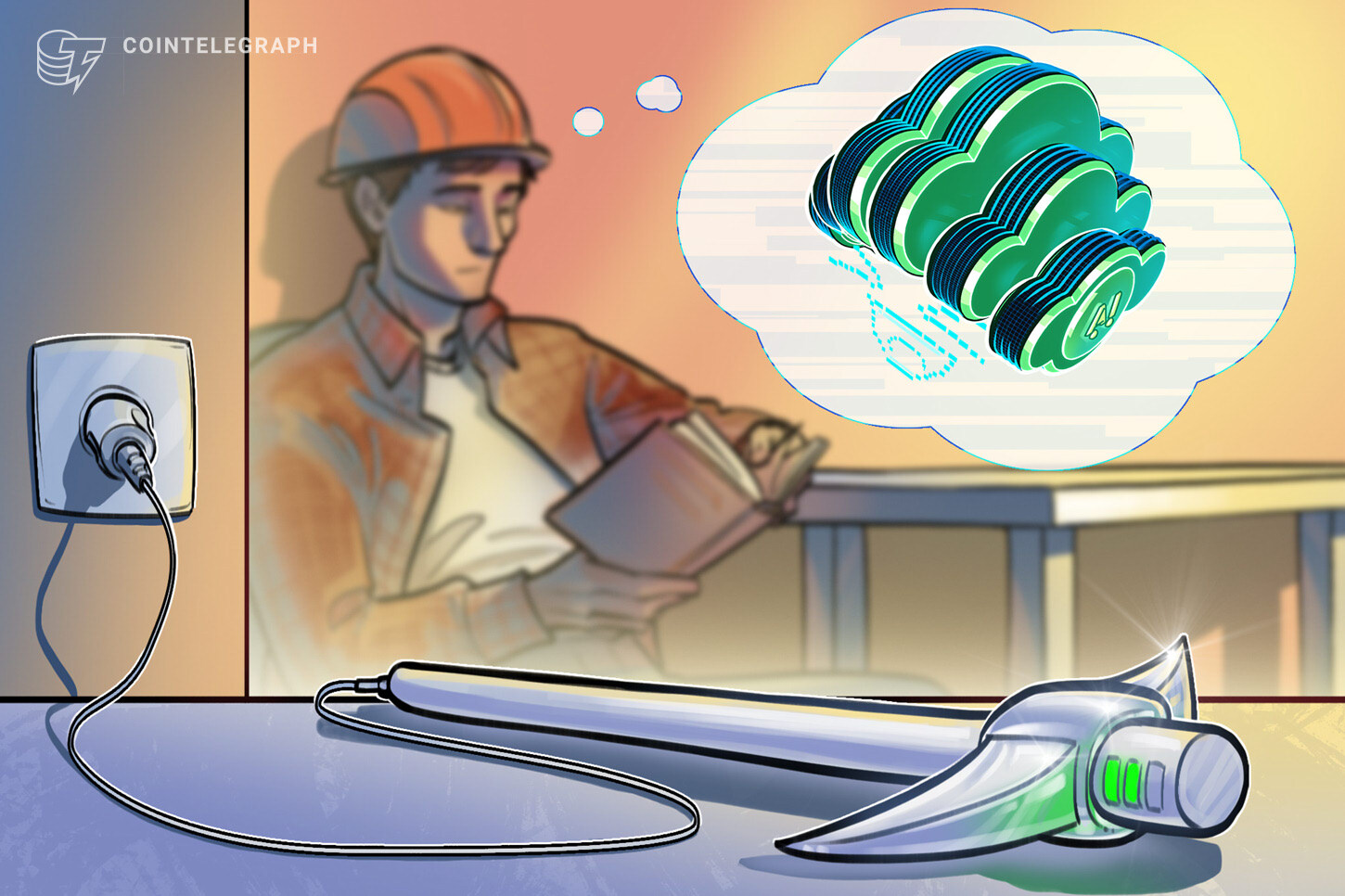
Public Bitcoin mining companies reduced their collective hashrate by 13.4% in the second quarter as revenue from AI and high-performance computing (HPC) infrastructure outpaced cryptocurrency mining returns, according to industry data.
The decline in computational power, which measures the total processing capacity dedicated to validating Bitcoin transactions, reflects a strategic shift among operators. A growing number of miners are repurposing energy and data center infrastructure to serve AI workloads, which offer higher margins and more predictable revenue streams compared to volatile crypto mining economics.
Marathon Digital, one of the largest public Bitcoin miners, reported a 24% reduction in its hashrate during the quarter as it allocated resources to AI data center projects. The company’s CEO, Fred Thiel, stated that the move was driven by "superior economics" in AI infrastructure, despite Bitcoin’s recent price appreciation.
Riot Platforms similarly adjusted its operational focus, cutting hashrate by 12% while increasing its AI and HPC revenue contribution to 15% of total earnings in Q2, up from 8% in the prior quarter. Industry analysts note that the trend is accelerating as miners seek to diversify revenue amid rising energy costs and regulatory scrutiny.
A smaller cohort of miners, including CleanSpark and Cipher Mining, continued to expand Bitcoin capacity, citing long-term confidence in the network’s hash rate security and operational efficiency. CleanSpark’s hashrate increased by 8% in Q2, while Cipher Mining added 5% to its computational power.
The divergence in strategy underscores the evolving economics of Bitcoin mining, where energy-intensive operations face increasing competition from AI-driven demand for compute resources. Data center operators are also benefiting from corporate AI adoption, further tightening the supply of affordable electricity for traditional mining activities.
Analysts at Bernstein estimate that AI data centers could consume up to 4.5% of global electricity by 2027, up from approximately 2% in 2023, exacerbating competition for power in regions critical to Bitcoin mining.
The shift has coincided with a broader industry consolidation, as smaller miners struggle to compete with the scale and efficiency of AI-integrated operations. Public miners that have not diversified into AI or HPC face heightened pressure to optimize costs or risk further hashrate reductions.


