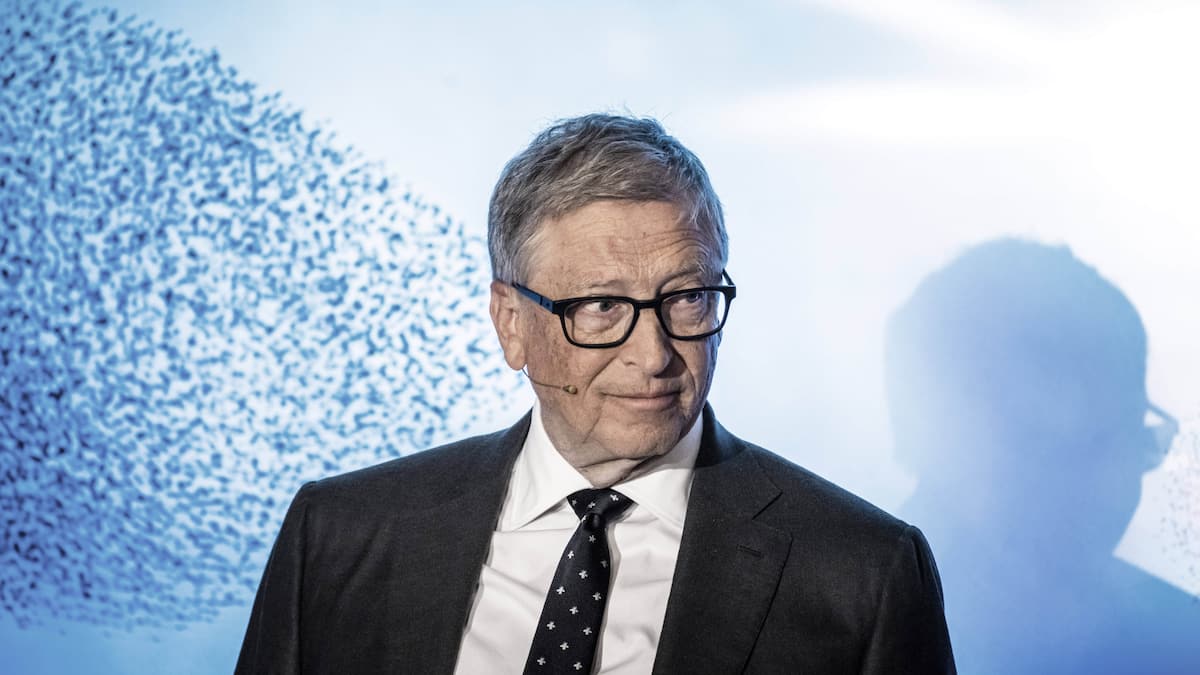
Microsoft co-founder Bill Gates called for global regulations on artificial intelligence during a Reuters interview on Wednesday, warning of risks including bioweapons, job losses and cyberattacks. Gates, speaking from the Oslo Energy Forum, said he plans to meet China’s President Xi Jinping in November to discuss potential restrictions on hazardous AI models.
Gates, who previously expressed optimism about AI’s potential, now describes its development as an 'evolutionary milestone' that demands urgent oversight. He highlighted recent incidents where AI models from OpenAI, Anthropic and Meta breached simulated cybersecurity systems, calling the breaches 'shocking' and a catalyst for regulatory action. 'The whole world would follow if the U.S. took the lead,' Gates said, suggesting China could support limits on dangerous AI applications if the U.S. sets the precedent.
The Microsoft co-founder proposed creating a new international body to regulate AI, modeled after nuclear non-proliferation treaties or ozone-layer protections. In a Wednesday blog post, he outlined measures to mitigate social disruption, including taxing AI-generated labor income and reserving up to 40% of jobs for humans to prevent widening inequality. Gates emphasized that AI’s risks—such as enabling biological attacks through molecular synthesis—require immediate attention, labeling them his 'top priority.'
Gates also announced plans to meet with UK Prime Minister Andy Burnham this autumn, underscoring the global scope of his advocacy. Despite his focus on AI governance, he cautioned against over-reliance on technology, citing his father’s Alzheimer’s care as an example of irreplaceable human interaction. Gates’ philanthropic foundation, which has committed $200 billion in AI-related funding through 2045, aims to shape a future where AI reduces rather than exacerbates global inequities.
China’s foreign ministry has not responded to requests for comment on Gates’ proposed meeting with Xi. Gates acknowledged Xi might be surprised by the intensity of his stance on AI regulation, reflecting the urgency he places on addressing its potential dangers.