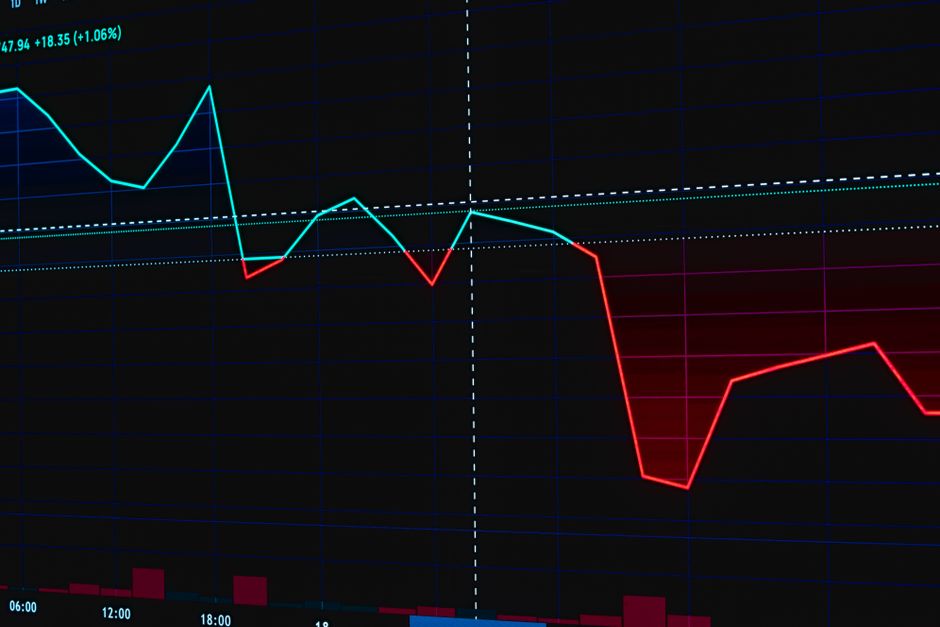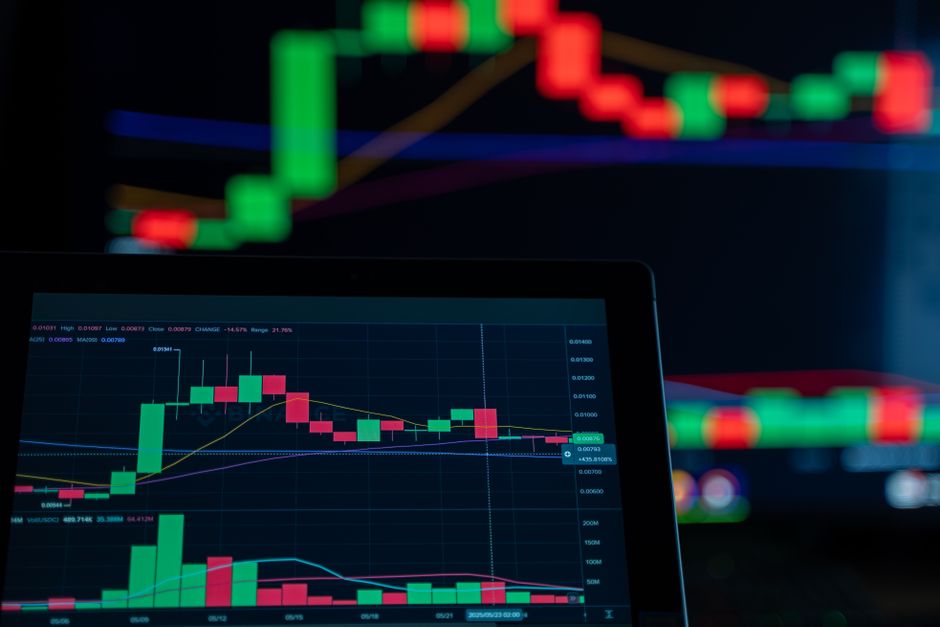
When the Alabama attorney general reportedly announced a probe into OpenAI for allegedly hacking Hugging Face, the story quickly filtered into the broader risk-on/risk-off narrative that drives forex. A reported pause in OpenAI's model development signals that regulators may be willing to intervene in the fast-moving AI sector, and that uncertainty is now a new variable in the currency-risk equation.
The AI boom has been a rare source of pure growth optimism over the past year, feeding appetite for riskier assets from high-yielding equities to commodity-linked currencies. When that optimism is punctured by a regulatory investigation, investors instinctively retreat to assets perceived as safer. In forex, that retreat typically manifests as a rally in the Japanese yen and the Swiss franc, and a modest lift for the U.S. dollar, which still enjoys its status as the world’s reserve currency. For broader audiences, the term "risk-on/risk-off" refers to market behavior where investors either embrace higher-risk assets during optimistic periods or favor safer assets during uncertainty.
What makes this episode distinct from a standard geopolitical shock is its sector-specific nature. The AI sector is reportedly heavily weighted in U.S. tech stocks, which in turn influence the dollar via equity-linked fund flows. A reported slowdown in AI-driven earnings forecasts can curb the recent dollar-weakening trend that was already under pressure from the Federal Reserve’s slower rate-cut pace. In short, the dollar may catch a second wind simply because investors are re-pricing AI-related growth.
For the euro, the story is less about direct exposure and more about timing. The European Central Bank is reportedly still on a path of gradual easing, and the euro has been hovering near its recent lows. A fresh bout of risk aversion could push the euro lower against the dollar and the yen, especially if the ECB feels compelled to keep rates lower for longer to support a sluggish recovery.
Carry-trade participants will also feel the tremor. High-yielding currencies such as the Australian and New Zealand dollars have been buoyed by the global search for yield, but they are also the first to bleed when risk sentiment sours. A shift toward safe-haven funding could see short-term outflows from AUD/JPY and NZD/JPY pairs, adding pressure to those currencies beyond the usual commodity-price drivers.
Looking ahead, the key variables are the scope of the reported Alabama investigation and any subsequent regulatory actions in the U.S. If the probe expands into a broader crackdown on AI model development, we could see a more pronounced risk-off swing. Conversely, a quick resolution with minimal penalties would likely see the market absorb the shock and return to its prior risk-on trajectory.
In my view, the Alabama AI probe is a reminder that regulatory risk is becoming an increasingly material factor for forex markets. Traders and investors should start treating AI-related headlines with the same caution they reserve for central-bank decisions or geopolitical flashpoints. The currencies that can best weather this new wave of uncertainty—yen, franc, and perhaps the dollar—are likely to outperform the riskier, yield-seeking pairs. Carry-trade activity, where investors borrow in low-yielding currencies to invest in higher-yielding ones, is particularly sensitive to shifts in risk sentiment.