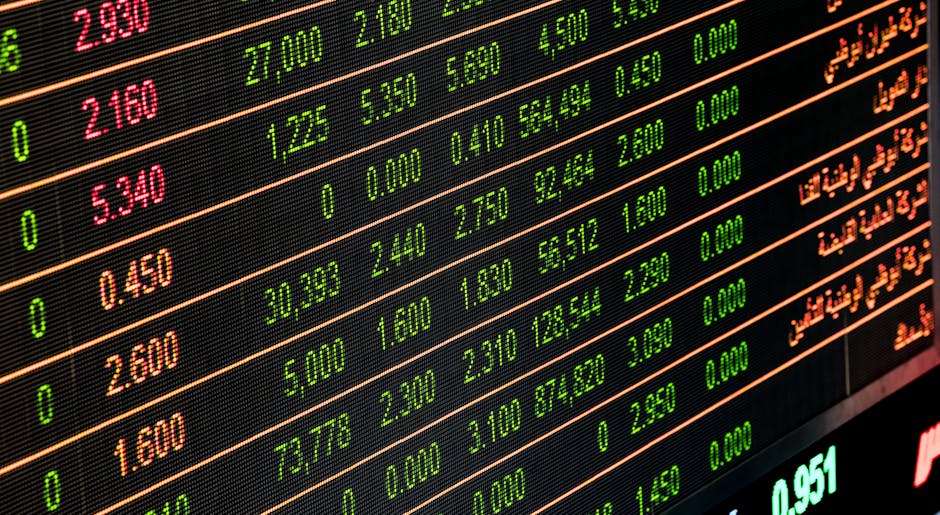
When STARTRADER announced 45 additional contracts that can be traded 24 hours a day, my first instinct was excitement. For a retail audience that lives on the clock, the lure of never‑closing positions on familiar equities and ETFs feels like a natural evolution of the CFD model.
Yet the very premise of a CFD that mirrors a stock or ETF when the underlying exchange is closed raises a structural paradox. The reference price must be derived from off‑exchange sources—often a composite of futures, after‑hours quotes, or even algorithmic estimates. In practice, that means the CFD price can drift from the true market value, especially during low‑volume windows.
Liquidity is the next casualty. Traditional market makers rely on the depth of the underlying order book to hedge their exposure. In a 24/7 environment, that depth evaporates after the primary exchange shutters, leaving brokers to fill gaps with their own inventory or stale pricing. The result is wider spreads and a higher probability of slippage for the retail trader who thinks they are simply “trading the market” around the clock.
Some observers point to arbitrage as a natural corrective force. In theory, a savvy trader could buy the CFD at a discounted after‑hours price and sell the underlying once the exchange reopens. In reality, the transaction costs, execution lag, and the broker’s hedging policies often erode any theoretical edge, making true arbitrage a rarity for the average client.
From a regulatory perspective, the expansion forces us to revisit disclosure standards. Traders need crystal‑clear information about how the reference price is constructed, what liquidity buffers are in place, and whether leverage caps differ between regular and extended hours. Without that transparency, the risk of mis‑selling—whether intentional or accidental—grows substantially.
Beyond individual risk, there is a macro‑level concern: continuous CFD trading can distort price discovery. If a sizable cohort of retail participants trades on a synthetic price that lags the real market, their collective flow may feed back into futures or other derivatives, subtly nudging the broader price formation process.
My view is cautious optimism. The ability to trade equities and ETFs around the clock can be a useful tool, but only if brokers implement robust pricing models, enforce prudent leverage limits, and provide full visibility into the mechanics of the 24/7 price feed. Until those safeguards are universally adopted, I would advise retail traders to treat after‑hours CFDs as speculative add‑ons rather than core portfolio positions.


