USD/JPY rises further in corrective recovery
Dollar gains extend as yen weakness persists amid shifting market expectations for Federal Reserve policy.
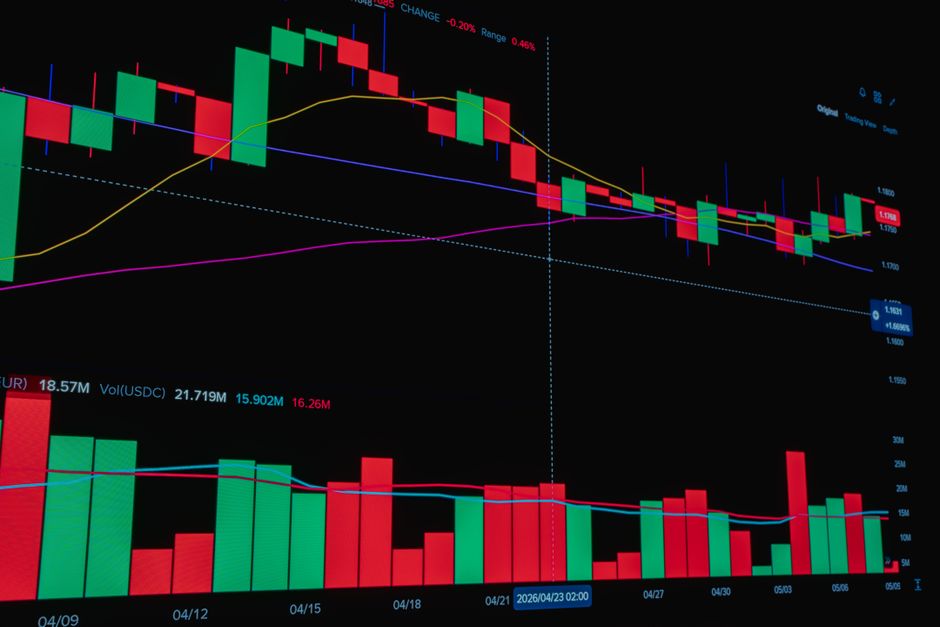
The U.S. dollar advanced against the Japanese yen on Thursday, extending a corrective recovery as the yen remained under pressure amid evolving expectations for Federal Reserve interest-rate policy.
The USD/JPY pair traded at 155.80, up 0.2% on the session, following a modest rebound from recent lows. The move reflected broader dollar strength as investors reassessed the timing and magnitude of potential Fed rate cuts, with market pricing suggesting a more gradual easing cycle than previously anticipated.
The yen has faced persistent weakness this year, driven by Japan’s ultra-low interest rates and widening policy divergence with the Federal Reserve, which has maintained higher borrowing costs for longer. The Bank of Japan’s cautious stance on tightening, despite signs of inflationary pressure, has further weighed on the currency.
Analysts noted that the USD/JPY’s recent gains were contained within a broader corrective phase, following a sharp decline from multi-decade highs above 160 in April. The pair has since retraced part of those losses, though upside appears capped by intervention risks and technical resistance levels.
Japan’s Ministry of Finance has repeatedly warned of potential currency intervention to curb excessive yen weakness, last acting in late April to stabilize the exchange rate. Market participants remain alert to the possibility of further official measures if the yen continues to depreciate rapidly.
The Federal Reserve’s next policy meeting is scheduled for June 11-12, with investors closely monitoring comments from Chair Jerome Powell for signals on the timing of rate reductions. A stronger-than-expected U.S. economic outlook has also supported the dollar’s resilience in recent sessions.


Sophie covers currency markets and central bank policy across Europe, with a focus on how rate decisions ripple through FX pairs. She has been tracking the ECB's policy path since the start of the current easing cycle.
More from Sophie Laurent →