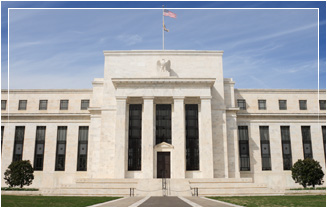
The U.S. dollar climbed to a two‑month high on Thursday, with the Dollar Index hovering around 101.1. The rally was driven by stronger‑than‑expected U.S. purchasing‑manager indices, which heightened concerns that inflation may remain elevated and prompted bets on another Federal Reserve rate hike.
Across major crosses, the euro slipped to a two‑month low of $1.1378 against the dollar, while the British pound hovered near a three‑month trough at $1.3231. The Japanese yen remained weak near a three‑week low of 157.9 per dollar, and the Australian dollar fell to $0.7035, down 0.07%. The New Zealand dollar and offshore yuan were largely unchanged at $0.5676 and 6.7119 per dollar, respectively.
U.S. Treasury yields added to the dollar’s momentum. Five‑year yields crossed the 5% mark for the first time since 2007 after a poorly received auction of five‑year notes. Oil prices surged nearly 4% on the same day, adding further risk‑off pressure on other currencies.
Market pricing of Fed policy tightened sharply. The CME Group’s FedWatch tool indicated a roughly 70% probability of a rate increase at the Federal Reserve’s October meeting, up from about 50% a week earlier. Federal Reserve Governor Michael Barr warned that rising inflation risks and a robust economy could justify further tightening.
“Given the relative strength of US growth and increasingly aggressive Fed rate‑hike pricing, the US dollar continues to stand firm in its attraction to own,” said Chris Weston, head of research at Pepperstone. He noted that signs of overheating in the U.S. economy could lead policymakers to tighten further if inflation persists above expectations.
The Bank of Japan’s recent rate hike to a 31‑year high and Chinese President Xi Jinping’s first U.S. visit in three years were cited as additional backdrop to the broader currency market dynamics.