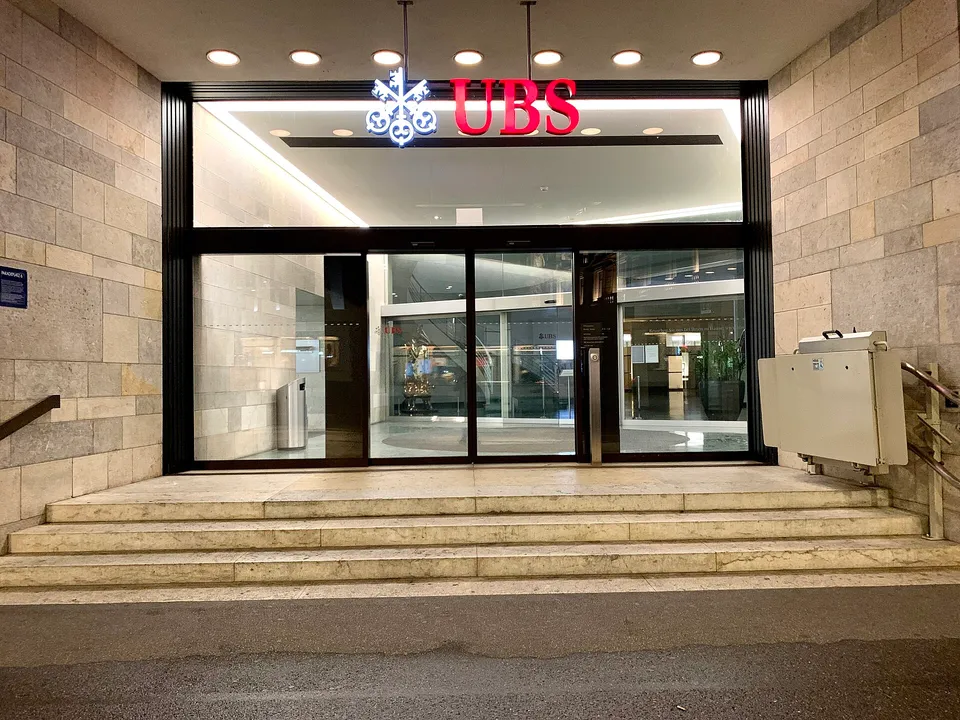
UBS Group AG shares surged to their highest level since March 2008 last week, closing at CHF 44.53 on Friday after a 4.8% weekly gain. The advance came despite a CHF 2.2 million sale by a senior executive or board member disclosed by SIX Swiss Exchange, and as investors looked past an upcoming Senate committee vote on proposed capital rules for the bank.
The Swiss Senate’s Economic Affairs and Taxation Committee will resume deliberations on Monday, August 31, on a proposal that would require UBS to hold 100% equity backing for its subsidiaries. This would force the bank to raise approximately $20 billion in hard capital, primarily in the form of Common Equity Tier 1 (CET1), which includes common stock and retained earnings. CET1 serves as a critical buffer to absorb losses and ensure solvency during crises, but it also ties up capital that could otherwise be deployed for dividends or share buybacks.
An alternative under consideration would allow UBS to meet the requirement using Additional Tier 1 (AT1) bonds, a hybrid instrument blending debt and equity characteristics. AT1 bonds were introduced after the 2008 financial crisis to shield taxpayers from bank failures by converting into equity or writing down to zero when a bank’s capital falls below a specified threshold. For UBS, this option would be less costly than issuing new common equity.
The Federal Council opposes the use of AT1 bonds, citing the March 2023 collapse of Credit Suisse, where CHF 16 billion in AT1 bonds were fully written down. The write-down occurred despite permanent loss terms in the securities’ prospectuses, which lacked conversion rights in cases of state intervention. Swiss courts are currently reviewing litigation from AT1 bondholders after a federal administrative court ruled the write-down unlawful in October 2023, with a final decision pending at the Swiss Federal Supreme Court.
Analysts expect the Senate committee to consider a compromise that could permit limited use of AT1 instruments while tightening other capital safeguards. The outcome of the vote is expected to influence UBS’s capital allocation strategy and investor sentiment in the near term.