UBS President Colm Kelleher has signaled a measured response to proposed revisions in Switzerland’s capital regulations, emphasizing the need for a compromise that preserves the bank’s ability to operate successfully in the country. Speaking at the annual meeting of the Swiss Bankers Association in St. Gallen, Kelleher acknowledged that while the proposed adjustments would impose additional costs, they could help the bank remain competitive and contribute to Switzerland’s economy. ‘We can live with it, but it will cost us more,’ he said, stressing that the goal is a ‘Swiss compromise’ that avoids forcing UBS to withdraw or face diminished competitiveness. ‘If we become less competitive, we will have to consider other options,’ he added, though he hoped the Ständerat would reach a balanced solution. The Swiss Federal Council had initially proposed fully backing UBS’s foreign subsidiaries with core capital (CET1), but the Ständerat’s Economic Affairs and Taxation Committee (WAK-S) later recommended a diluted approach: 50 percent CET1 and 50 percent additional tier-1 (AT1) bonds. This compromise was discussed in the Ständerat on Thursday but had not yet been finalized. Kelleher reiterated that UBS’s management had maintained a respectful dialogue with authorities, avoiding direct criticism of the Federal Council. He also underscored the bank’s obligation to its shareholders. Meanwhile, analysts have noted the potential benefits of the AT1-based approach. Filippo Alloatti, an analyst at Federated Hermes, said the shift would allow UBS to reduce annual capital-raising costs by hundreds of millions of dollars, though it would still require raising around $13 billion in fresh funds. Luca Evangelisti, a fund manager at Jupiter Asset Management, highlighted that this approach would be more cost-effective than the original Federal Council proposal, which relied entirely on CET1. The debate reflects broader tensions over UBS’s regulatory burden, particularly after the collapse of Credit Suisse earlier this year, which raised questions about Switzerland’s ability to retain major financial institutions under strict capital rules.
UBS Sees Compromise on Capital Rules as Key to Staying in Switzerland
Colm Kelleher, UBS’s president, expressed cautious optimism over a proposed relaxation of capital requirements, framing it as essential for the bank’s continued presence in Switzerland.
LF
Lucas Ferreira · Deals & Startups Desk · 20 Sept 2026 · 11:15 · 2 min read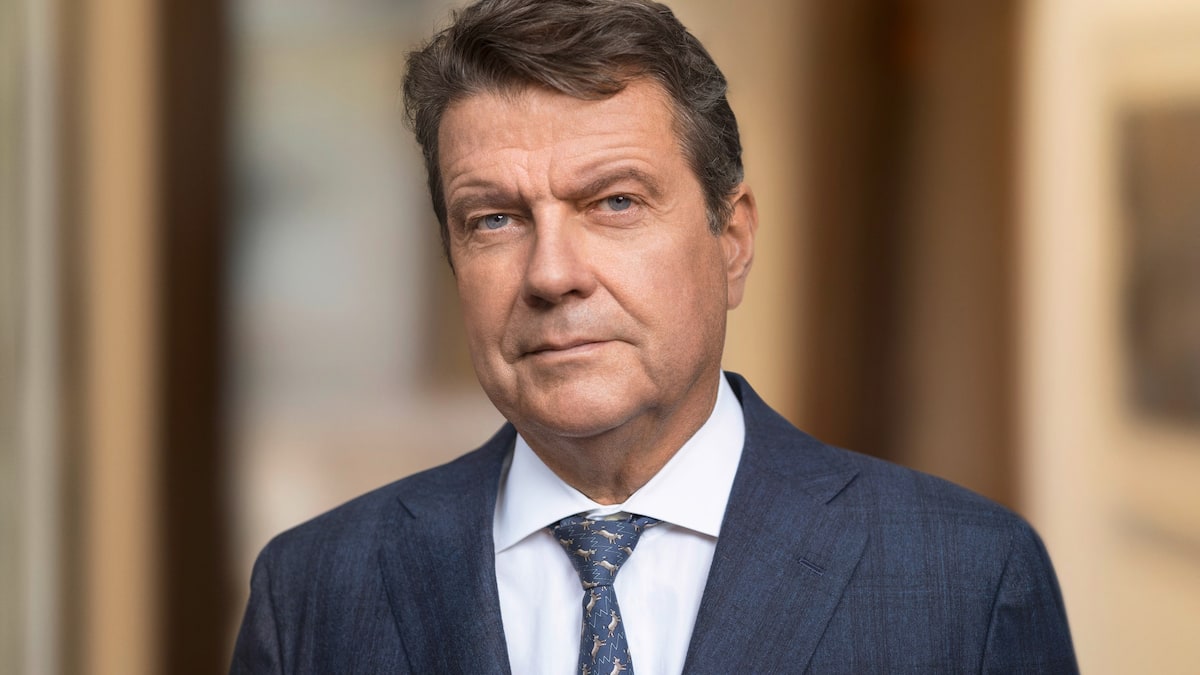
This article was produced with AI assistance and edited by a Finance Review Daily journalist.
ADVERTISEMENT


LF
Written by
Lucas Ferreira
Deals & Startups Desk
Lucas covers M&A activity and startup funding rounds, tracking deal structures and valuations to explain what a transaction means for the companies and markets involved.
More from Lucas Ferreira →