





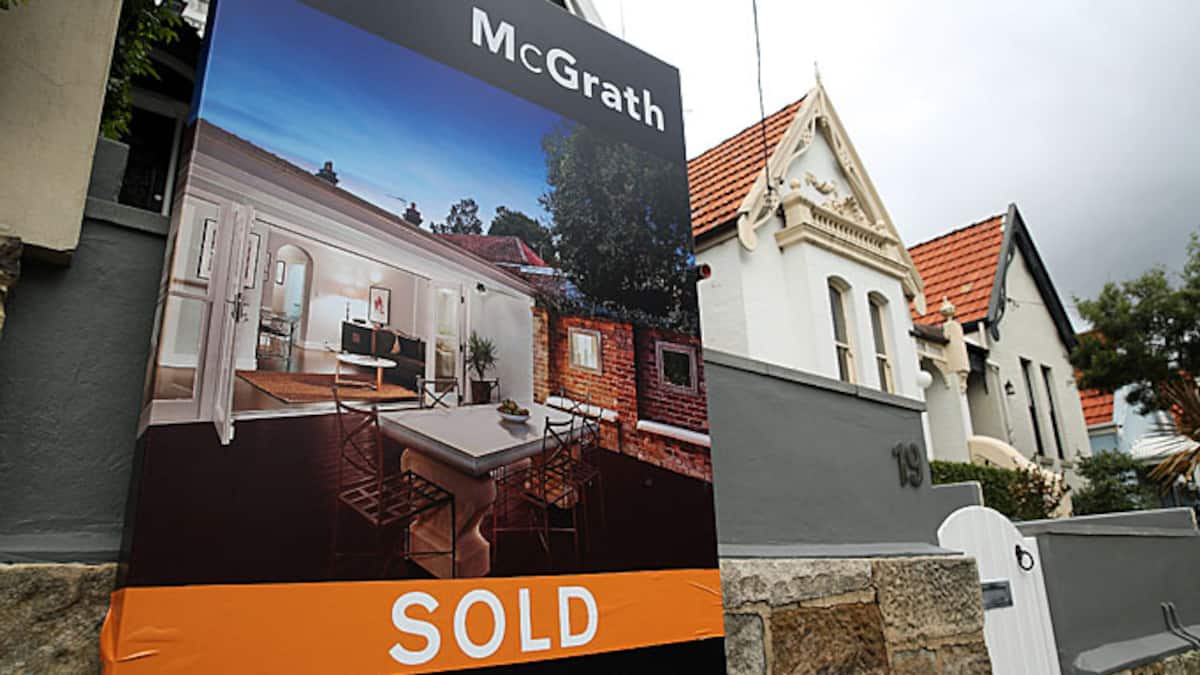
The three-decade-long surge in Australian home values is reversing as rising mortgage costs and policy shifts pressure the market. In Sydney, the nation's most expensive city, prices have fallen about 7% from their February peak, according to Cotality, a real estate consultancy. The decline, which began in the most affluent suburbs, has now spread to 93% of metropolitan areas nationwide.
Mortgage applications have dropped as much as 20% since the May budget, when the government moved to phase out tax deductions for investment property losses starting July 2027. Existing properties acquired after May 12 will no longer qualify for deductions, while new builds remain eligible. The changes aim to curb speculative investment and improve housing affordability, though analysts warn the shift could exacerbate price declines by reducing buyer demand.
The downturn has already claimed one of Sydney's largest developers. Bathla Group, a major residential builder, filed for insolvency last week with A$3.3 billion (US$2.4 billion) in debt, raising concerns about contagion among highly leveraged construction firms. The collapse underscores broader risks in a market where household wealth is heavily concentrated in real estate, with Commerzbank estimating 60% of Australian household assets tied to property.
Sydney's median home price now stands at nearly 14 times annual disposable income, making it the world's second-most expensive city for buyers after Hong Kong, according to 2024 Demographia data. Over the past decade, national home values have surged 67%, with Brisbane, Adelaide and Perth seeing more than a doubling in prices, Cotality data show.
The Reserve Bank of Australia (RBA) has responded to persistent inflation by raising its benchmark rate three times this year to 4.35%, from 0.1% in early 2022. Unlike in the U.S., where 30-year fixed-rate mortgages are common, less than 5% of Australian home loans are fixed, leaving borrowers exposed to immediate rate hikes. Economists expect another increase in September, with Deutsche Bank describing underlying inflation as "intolerably high."
Transaction volumes are also declining sharply. House sales fell 15.5% year-over-year and 11.5% below the five-year average in the latest quarter, while listings surged 24% above year-ago levels and 8% above the five-year average. Sydney continues to lead the downturn, with prices dropping 1.4% in August alone and inventory levels 24% higher than last year. "The combination of plunging demand and elevated supply is disproportionately impacting Australia's largest housing market," said Tim Lawless, research director at Cotality.
Analysts remain divided on the outlook. Some, like AMP Capital's chief economist Shane Oliver, expect prices to keep falling through Q2 2025 before the RBA signals potential rate cuts later in the year, setting the stage for a recovery by 2027-28. Others point to global precedents where attempts to cool overheated markets have led to prolonged downturns, as seen in China's five-year property slump or New Zealand's persistent housing recession.
Finance Minister Jim Chalmers has acknowledged the "unfair" status quo in housing and tax policy, framing the changes as necessary to address affordability. Yet with mortgage stress rising and consumer confidence at "deeply pessimistic" levels, the government faces mounting pressure to balance market stabilization with economic stability amid persistent inflationary pressures.





