The Swiss State Secretariat for Economic Affairs (Seco) on Thursday raised its 2026 real GDP growth forecast to 1.7%, up from the previous 0.9%, calling the revision an "extraordinarily strong correction" after summer data showed the economy expanding well ahead of expectations.
The updated outlook leaves the 1.6% growth projection for 2027 unchanged. Ronald Indergand, head of Seco's economic policy directorate, said the business cycle picture had "significantly brightened" and that the economy was picking up momentum in 2026 that would carry into the following year.
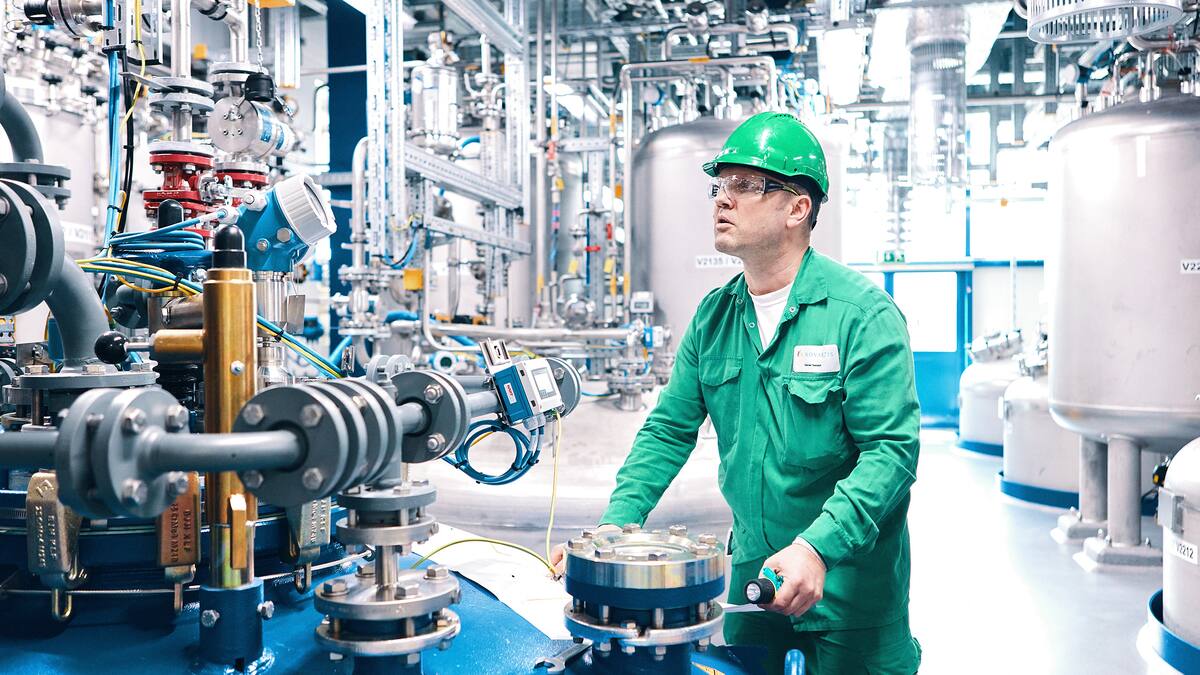
GDP grew "extraordinarily strongly" in the second quarter, according to federal economists. However, nearly half of that surge came from the volatile chemical and pharmaceutical sector, which Seco warned may have overstated underlying cyclical momentum. Export data released on Thursday for August showed signs of normalization, consistent with a gradual cooling.
Seco officials emphasized they see an "upturn" in multiple indicators beyond the chemistry and pharma boom. A weakening Swiss franc is providing additional support to exporters, Indergand said, adding impetus to an already improving outlook.
Despite the upgrade, Indergand cautioned against labeling the development a full-scale boom, sticking with the term "recovery." Inflation remains low: Seco expects it to stay at just 0.6% in both 2026 and 2027. The unemployment rate is projected to ease from 3.1% this year to 3.0% next year.
Asked whether artificial intelligence was affecting the labor market, Indergand said it was too early to tell, but added there were currently no signs of a wave of job cuts driven by AI.
The single biggest risk to the forecast is oil prices. Seco's projections assume Brent crude averaging $91 per barrel in 2026 and just above $80 next year. Current prices sit well above those levels, though Seco economic chief Felicitas Kemeny said the forecast remained on track, expecting crude prices to pull back over the coming months.
"Yes, that is a risk for our projection," she acknowledged.