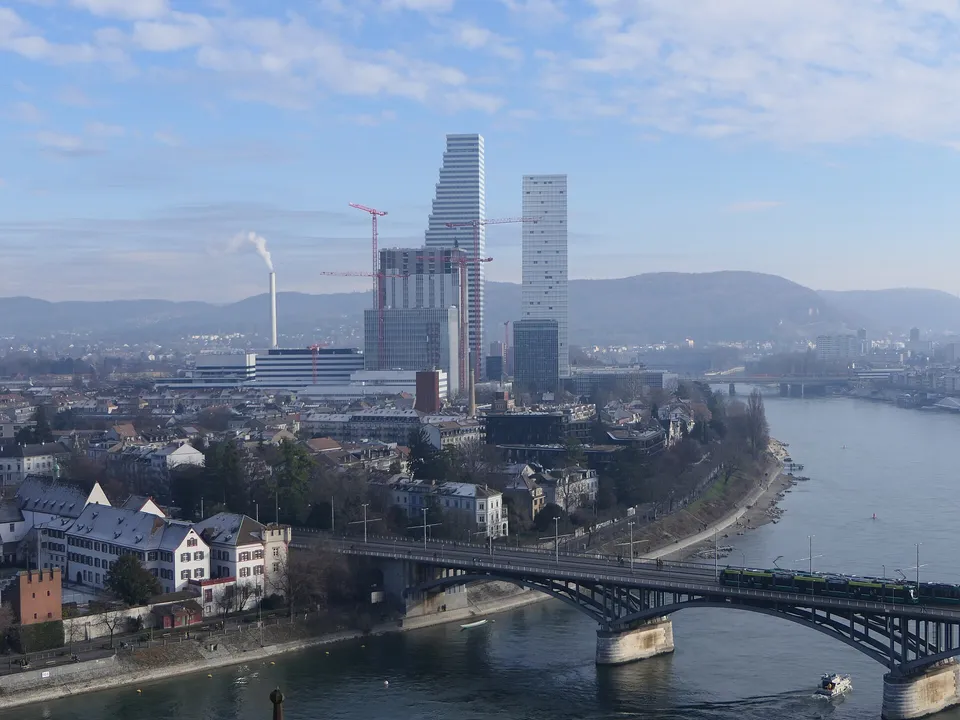
The Swiss Market Index (SMI) reversed course late Friday, rising 0.15% after a full day of losses, as gains in Holcim, Kühne+Nagel and ABB offset declines in Roche and Novartis.
The SMI’s late rebound followed a session in which 20 of its components showed a nearly even split between gainers and decliners. Roche and Novartis, two of the index’s largest constituents, each trimmed losses to 0.7% and 0.6%, respectively, contributing to the index’s modest recovery.
The broader market outlook remains clouded by elevated U.S. Treasury yields and a crude oil price holding above $90 a barrel. Brent crude, though slightly lower than its intraday peak, remained near $93 a barrel, supported by persistent geopolitical risks in the Middle East and indications of rising economic pressure on Iran. U.S. President Donald Trump’s recent pledge to escalate economic sanctions has added to supply-side concerns.
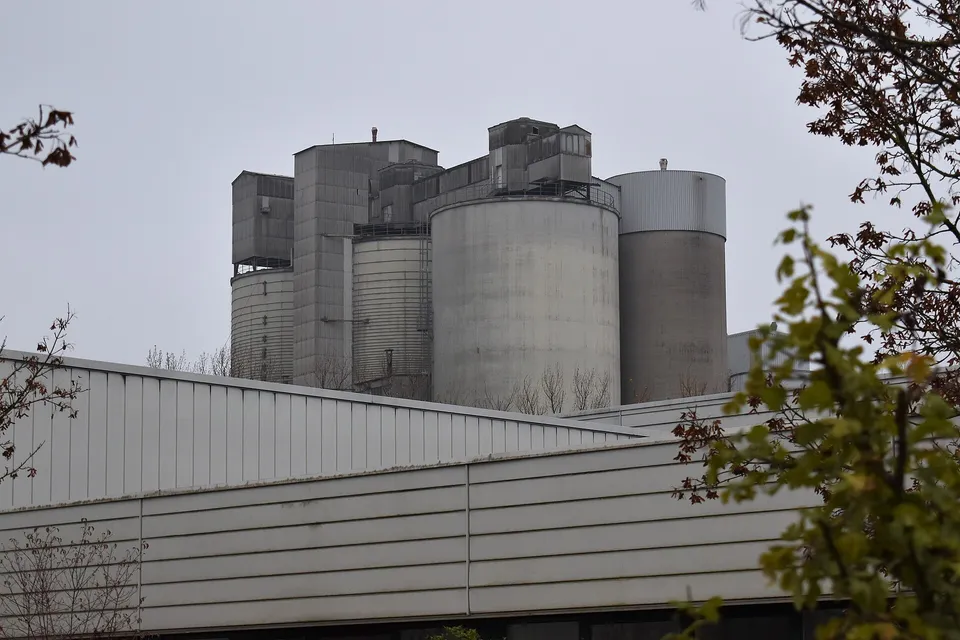
Among individual movers, Holcim surged 1.2% after agreeing to acquire Germany’s Fermacell for €840 million, a deal viewed favorably by market participants. Kühne+Nagel advanced 2.2% and ABB gained 1.5%, while Richemont rose 1% following news of an expanded free-trade agreement between Switzerland and China. Swatch also climbed 1.2%, reflecting tentative investor interest in Swiss luxury goods exporters with exposure to China.
On the downside, Vetropack fell 4% after Deutsche Bank downgraded Straumann to ‘Hold’ from ‘Buy’, citing valuation concerns. In contrast, Vetropack rallied 7.5% after reporting half-year results that exceeded expectations, with currency-adjusted revenue growth and the introduction of medium-term targets under new CEO Lukas Burkhardt cited as key positives.
Analysts remain divided on whether the recent rally across global equity markets has run its course. While technical indicators for the SMI remain intact, the macro backdrop—marked by high bond yields, persistent inflation pressures, and geopolitical uncertainty—suggests a challenging environment ahead. UBS’s Investment Office, however, maintained a constructive outlook, citing resilient AI spending, steady corporate earnings growth, and easing inflationary pressures as reasons for optimism.