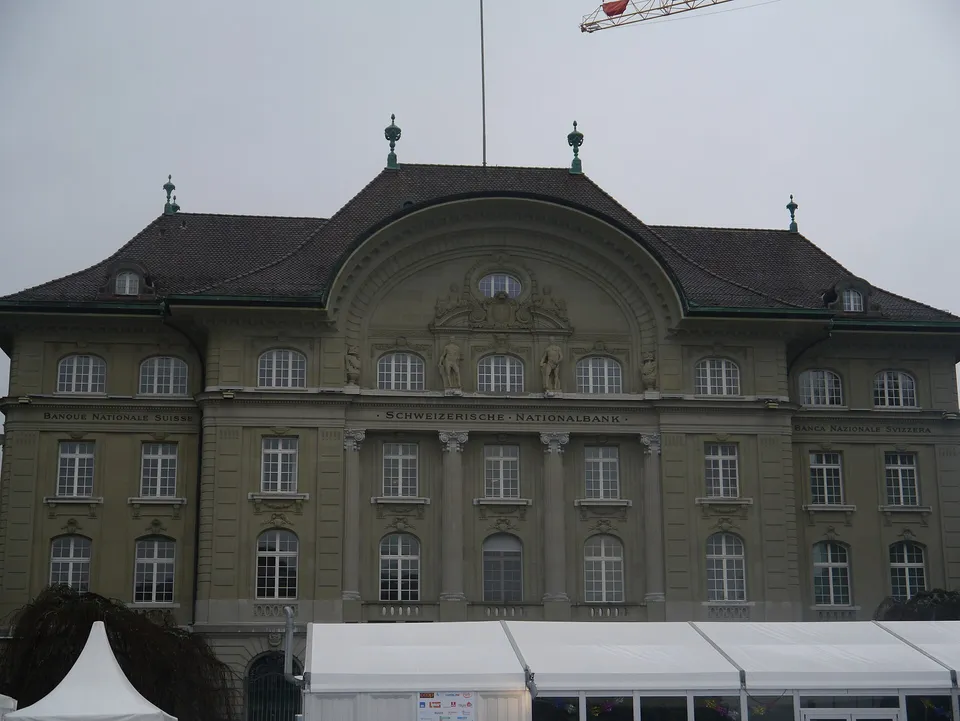
The Swiss National Bank (SNB) left its key policy rate unchanged at 1.25% at its monetary policy assessment on March 20, 2025, as inflation pressures eased and economic activity remained stable.
In a brief statement, the central bank noted that inflation has moderated in recent months, aligning with its medium-term target range. The SNB did not signal any imminent changes to its policy stance, emphasizing that future decisions would depend on incoming economic data and inflation trends.
The decision follows a period of cautious monetary tightening in 2024, during which the SNB raised rates to combat inflationary pressures. Since then, inflation has trended lower, reducing the urgency for further hikes. The Swiss economy has also shown resilience, with steady growth and manageable labor market conditions.
The SNB’s policy rate remains one of the highest in Europe, reflecting its earlier efforts to tame inflation. However, the central bank’s statement suggested a more patient approach, with no explicit forward guidance on rate cuts or hikes.
Analysts widely expected the SNB to hold rates steady, given the recent stabilization in consumer prices. The Swiss franc, which often reacts to monetary policy signals, showed little immediate movement following the announcement.