The Swiss Market Index (SMI) slipped 0.04% to 14,326 points midweek as defensive stocks offset broad weakness driven by rising bond yields and persistent geopolitical tensions.
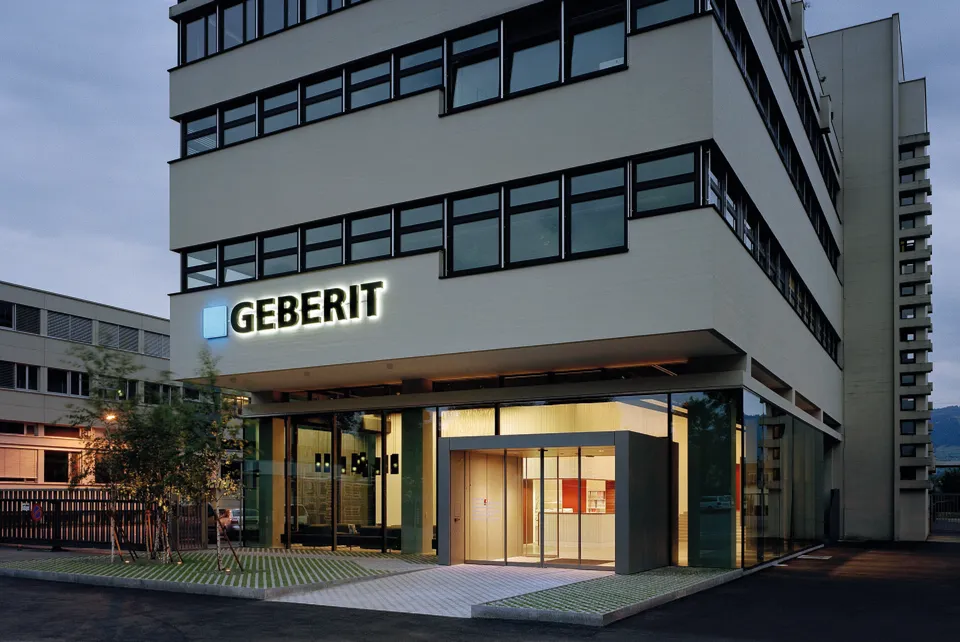
Geberit led gains with an 8% advance to CHF 567.60, the highest since March 11, after the sanitary technology group reported half-year results that topped analyst expectations and cited improving conditions in its core European market. The stock had surged 7.2% earlier in the session. Swiss healthcare giants Roche and Novartis also edged higher by 0.5% and 0.1%, respectively, as investors rotated into defensive sectors amid elevated risk aversion.
Conversely, Straumann shares plummeted 6.3% despite posting half-year earnings that exceeded forecasts, as the departure of long-serving CEO Guillaume Daniellot weighed on sentiment ahead of Christopher Norbye’s December takeover. DocMorris fell 2.6% after Julius Bär’s pre-market surge of nearly 9% faded, with UBS citing weaker-than-expected cash flow despite an upgraded outlook.
Industrial and construction names showed mixed performance. Implenia jumped 8% to CHF 69.40 after reporting half-year results that significantly beat estimates and lifting its full-year guidance. Sensirion rose 6.3% on raised annual forecasts, while LLB gained 4%. Swiss Life, Swiss Re, and Zurich each declined between 0.2% and 0.7%, alongside UBS’s modest 0.1% gain. BKW dropped 0.8% after lowering its annual targets, and Emmi fell 2.1% despite volume growth and a slight revenue guidance increase, as concerns over second-half dynamics and U.S. business weighed.
The energy sector faced pressure as Brent crude climbed for a fourth consecutive session, briefly rising 1.1% to $92.05 per barrel—a level last seen in October—after three prior days of gains totaling 4.5%. West Texas Intermediate traded near $86. The advance followed reports of stalled progress in U.S.-Iran tensions, with no resolution in sight after nearly six months of conflict.
European bond markets showed tentative stabilization, with the 10-year German Bund yield easing one basis point to 3.247%, down from a 15-year high reached on Tuesday. U.S. 10-year Treasury yields fell an additional two basis points to 4.19%, extending Tuesday’s drop of two basis points after unexpectedly weak U.S. economic data.
Geopolitical risks continued to weigh on investor sentiment. Former U.S. President Donald Trump delayed planned tariffs on certain Canadian goods but tied the move to negotiations over an oil pipeline, further tightening energy market dynamics. The SMI opened 0.21% higher on Tuesday but closed marginally positive, with heavyweights supporting the index amid broader tech weakness.
Technology stocks globally remained under pressure due to rising financing costs, as higher bond yields increased the cost of funding capital-intensive AI infrastructure investments. The Nasdaq ended sharply lower, and tech-heavy bourses in Asia also declined, a trend that could spill over into Swiss tech names such as VAT, which rose 0.6% after Jefferies upgraded its rating to Hold from Underperform and lifted its price target.
Burckhardt Compression fell 1.8% after announcing restructuring measures, including job cuts, to address low capacity utilization, following initial layoff plans announced last November.