





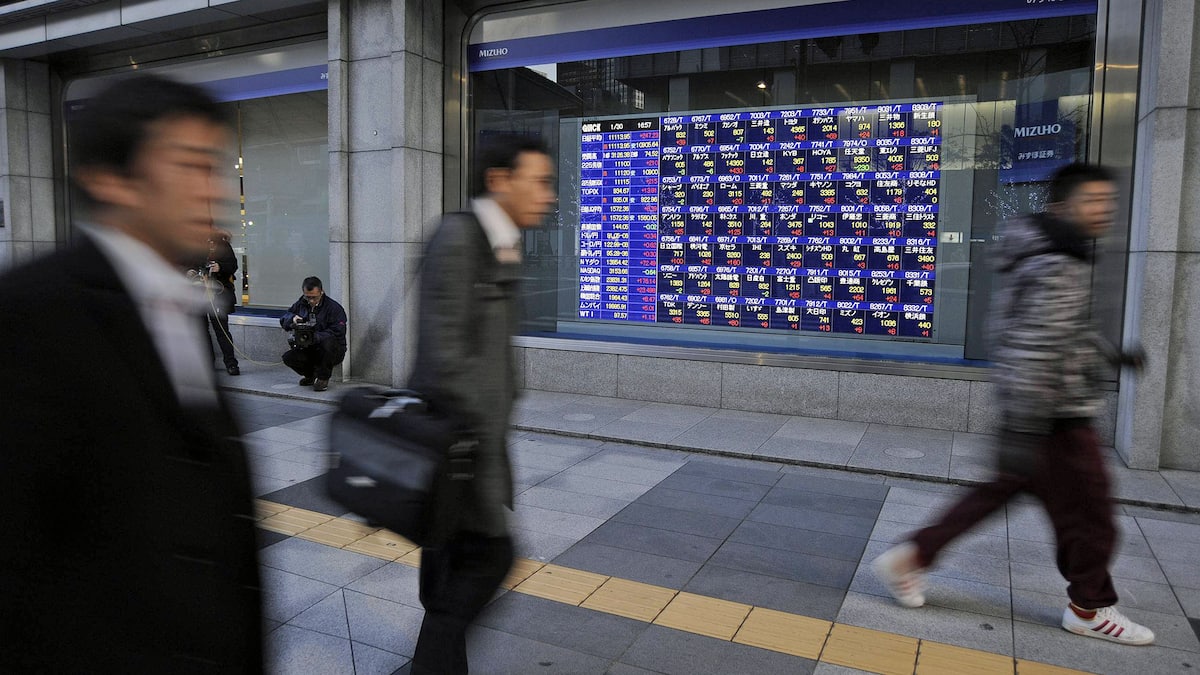
Asian stock markets ended Friday lower as rising U.S. Treasury yields and escalating Middle East tensions dampened risk appetite. In Tokyo, the Nikkei 225 declined 0.3% to 66,008.45, while the broader Topix slipped 0.1% to 4,054.66. Shanghai’s main index remained nearly flat at 3,904.46, though the broader CSI 300 advanced 0.5% to 4,615.62.
Japan’s industrial rebound offered limited support despite August output expanding at the fastest pace since 2018, according to S&P Global data. "Factories reported sharp increases in production and new orders," noted Annabel Fiddes. However, accelerating inflation has heightened expectations for further monetary tightening by the Bank of Japan, tempering market gains.
South Korea’s Kospi gained ground, with chipmakers Samsung Electronics and SK Hynix among the top advancers, buoyed by strong U.S. demand. In contrast, battery manufacturer LG Energy Solution and automakers Hyundai and Kia lagged, each posting notable declines.
Chinese equities showed mixed performance as investors awaited further fiscal stimulus to revive a slowing economy. Vice Finance Minister Liao Min indicated additional measures would be introduced shortly, though broader concerns over U.S. debt dynamics and potential dollar depreciation weighed on sentiment. U.S. Treasury Secretary Scott Bessent’s announcement of expanded bond purchases added to market unease, with analysts warning that record deficits could erode investor confidence. "Markets typically resist when they perceive fundamentals like unsustainable debt levels as unfavorable," said Deutsche Bank strategist Steven Zeng.
The U.S. dollar edged higher against regional peers, gaining 0.1% to 158.92 yen and strengthening to 6.7231 yuan. It slipped 0.1% versus the Swiss franc at 0.7989, while the euro advanced 0.2% to 1.1696 per dollar and 0.9344 francs.
Geopolitical risks continued to drive commodity markets, with Brent crude holding near a monthly high of $93.71 per barrel before profit-taking capped gains. U.S. WTI crude fell 0.2% to $86.61. Escalating tensions following threats of unprecedented sanctions on Iran by U.S. President Donald Trump heightened concerns over potential disruptions to shipping through the Strait of Hormuz.






