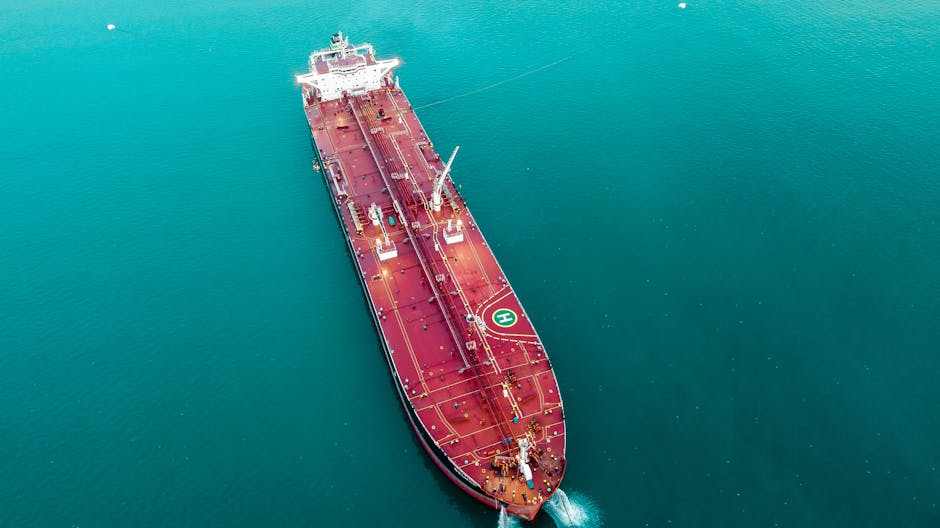
Iran and Oman have resumed talks on establishing a temporary navigation corridor in the Strait of Hormuz, a critical chokepoint for global oil and LNG shipments, as economic pressure from the United States intensifies. The discussions follow a series of maritime incidents and renewed U.S. threats of secondary sanctions against countries maintaining commercial ties with Tehran.
Negotiations between the two Gulf states focus on a joint framework to manage shipping lanes and remove maritime mines, according to Iranian officials. The Strait of Hormuz previously accounted for one-fifth of global oil and liquefied natural gas shipments before the February conflict escalated regional tensions. U.S. President Donald Trump has claimed all mines in the strait have been cleared, though Iran has not confirmed this assessment.
Maritime activity in the region remains severely disrupted. On Tuesday, a tanker was struck by an unidentified projectile approximately 17 kilometers northeast of Ash Shishah, Oman, near the strait’s entrance, rendering the vessel inoperable. The United Kingdom Maritime Trade Operations reported the incident, which occurred amid broader navigation halts since the war began.
The U.S. has escalated its diplomatic pressure, warning that secondary penalties will be imposed on countries continuing to engage in trade with Iran. Washington withheld immediate sanctions but framed the move as a response to Iran’s regional activities. Tehran condemned the threat as a "grave illegality," while U.S. officials indicated a gradual return of personnel to Middle East diplomatic missions previously operating with reduced staffing.
Oil prices fell for a second consecutive session as markets appeared to downplay the impact of U.S. sanctions on Iranian oil exports. The decline followed a Reuters/Ipsos poll showing public approval of the war and Trump’s popularity at their lowest levels since the conflict’s early days, ahead of November’s U.S. congressional elections.
Separately, the U.S. Secret Service confirmed awareness of an Iranian state television broadcast featuring a three-minute video alleging a plot to track and assassinate Barron Trump, the U.S. president’s youngest son. The video, aired by Iran’s state broadcaster, claimed a $10 million reward for Trump’s death and described a surveillance effort targeting the 20-year-old. The Secret Service did not provide further details on the alleged threat.
Casualties from the conflict have exceeded several thousand, with the majority of deaths reported in Iran and Lebanon, while U.S. and Israeli actions have degraded much of Iran’s conventional military capabilities. The status of Iran’s nuclear program remains unverified.