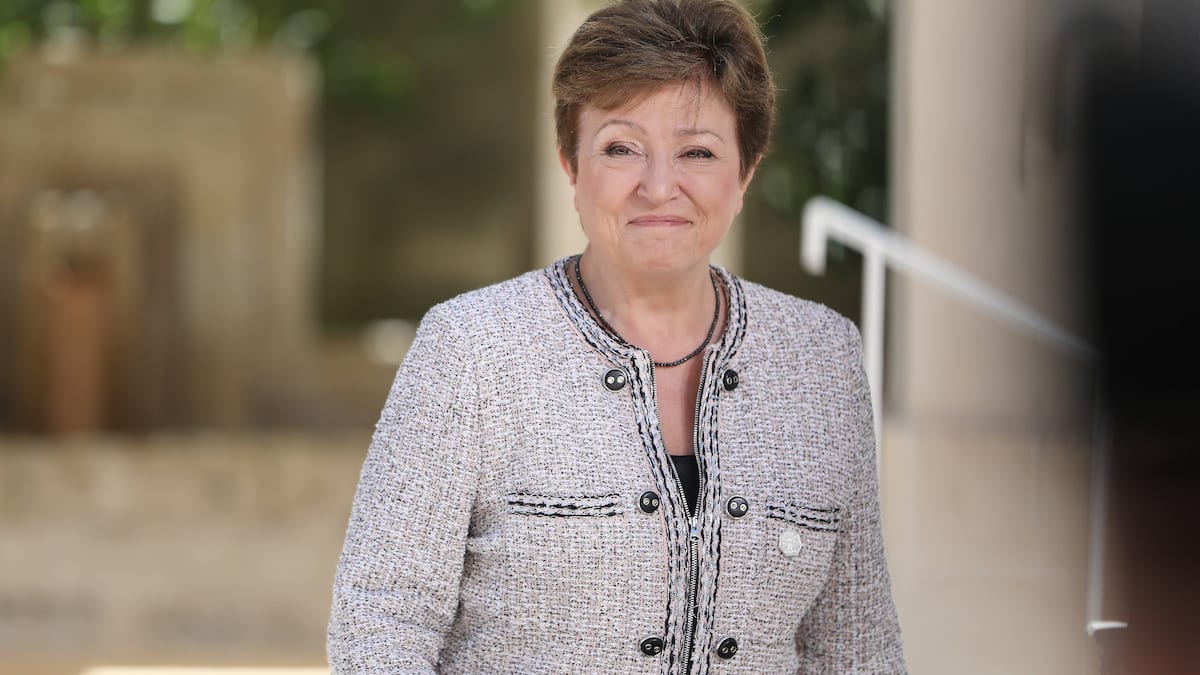
The global economy has absorbed the energy shock triggered by the Iran conflict more resiliently than anticipated, the International Monetary Fund (IMF) said on Tuesday. Speaking ahead of the G20 finance ministers’ meeting in North Carolina, IMF Managing Director Kristalina Georgieva noted that the temporary closure of the Strait of Hormuz—initially expected to disrupt energy markets—had limited impact due to strategic releases of oil and gas reserves, softer demand, and expanded renewable energy capacity.
Georgieva cautioned against complacency, emphasizing that the energy shock is not over. Brent crude prices, which surged to over $118 per barrel in the spring, have since retreated to between $80 and $90 per barrel. Prior to the late-February escalation between the U.S. and Iran, prices had hovered around $70 per barrel. A renewed spike in energy costs could reignite inflationary pressures, forcing central banks to maintain or raise interest rates, thereby increasing debt servicing burdens and curbing economic growth.
The IMF chief also highlighted growing fiscal strains in several countries, describing a tug-of-war between the lingering effects of the energy crisis and the investment boom driven by artificial intelligence. She urged governments to implement credible fiscal consolidation plans, though she did not specify individual nations. The yield on 30-year U.S. Treasuries last week climbed to its highest level since 1994, reflecting heightened concerns over long-term debt sustainability.
Addressing structural imbalances, Georgieva reiterated calls for countries to reduce excessive global trade disparities that fuel tensions. She emphasized the need for China to rebalance its growth model toward domestic demand rather than relying on export-led expansion. The IMF has long advocated for this shift to mitigate trade frictions.
Georgieva did not unveil new economic forecasts but reiterated the Fund’s July projection of 3.0% global growth for 2026, down from prior estimates, and warned of additional risks posed by the ongoing conflict in the Middle East. The next update to the IMF’s outlook is scheduled for mid-October during the annual meetings in Bangkok.