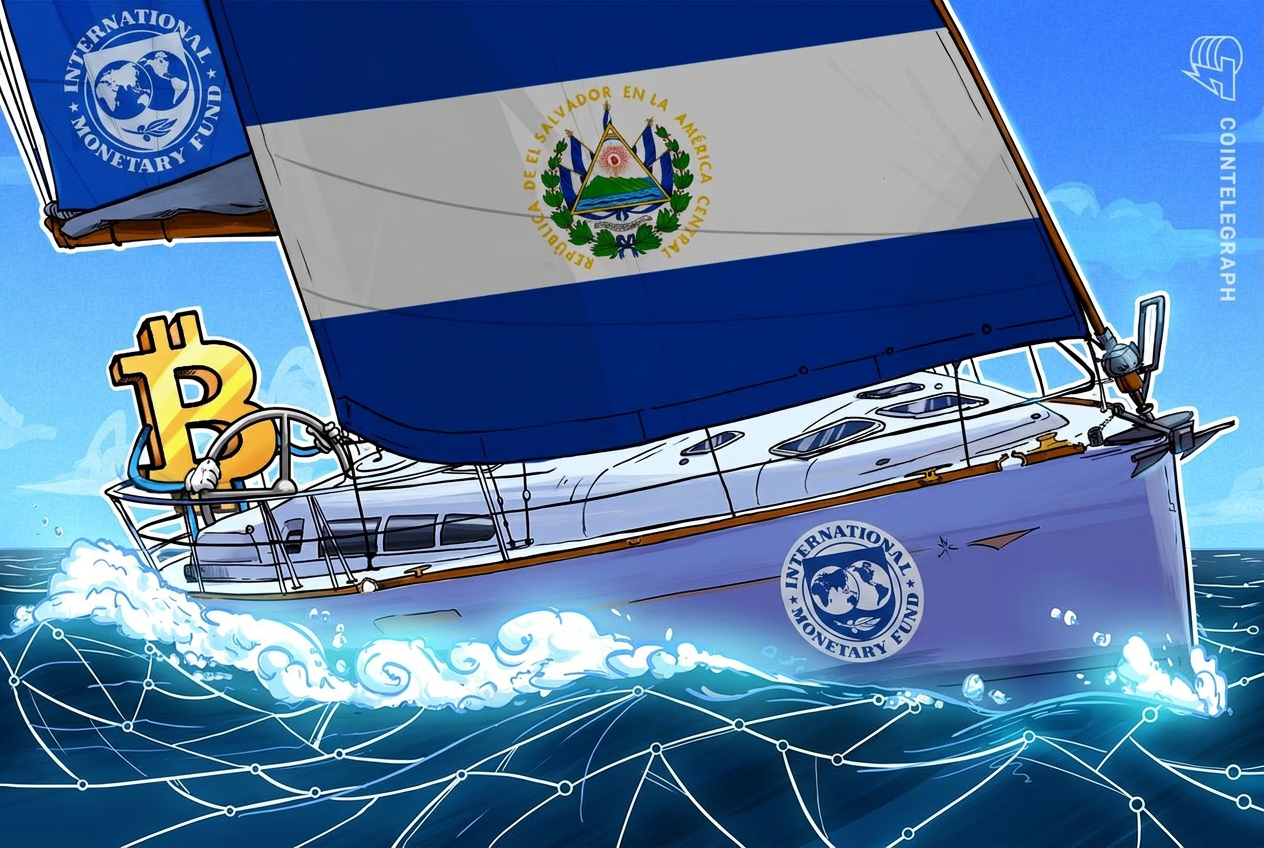
The International Monetary Fund said on Thursday that El Salvador’s Bitcoin holdings grew after the June 2025 review of its IMF financing programme without using public resources. Documents supplied by Salvadoran authorities showed the added Bitcoin came from private donations, meaning the increase does not represent purchases financed by the government.
The IMF also noted that majority ownership and operational control of the Chivo wallet have been transferred to a private operator, while the state retains a minority stake and custodial duties. The fund expects no further accumulation beyond the documented private contributions.
El Salvador announced in November 2025 that it had acquired 1,090 Bitcoin, valued at roughly $100 million, raising questions about compliance with its $1.4 billion IMF programme. The IMF’s clarification addresses how the reserve grew after the first review, confirming the additions were not public‑sector purchases.
In December 2024, the IMF agreement required El Salvador to limit public‑sector involvement in Bitcoin, make private‑sector acceptance voluntary, and unwind government participation in the Chivo wallet. A March 2025 IMF directive barred “voluntary accumulation” of Bitcoin by the public sector. President Nayib Bukele later said the purchases would continue, pledging at least one Bitcoin per day.
The IMF initially explained in July 2025 that no new Bitcoin had been bought since the December agreement, attributing any increase to consolidation of government wallets. The November announcement revived scrutiny, prompting the IMF to reiterate that it would not comment on each announcement but would assess compliance in due course.
According to the National Bitcoin Office’s reserve tracker, El Salvador now holds about 7,764 Bitcoin. At a price of $80,900 per coin, the stockpile is valued at roughly $628 million, still higher than before the IMF agreement. The IMF attributes the net rise to private donations rather than state‑funded purchases.