





Germany’s economy expanded for a third consecutive quarter in Q2 2026, growing 0.3% sequentially as exports surged, the Federal Statistical Office reported on Tuesday. The reading exceeded a prior estimate of 0.2% and followed increases of 0.3% in Q4 2025 and 0.4% in Q1 2026.
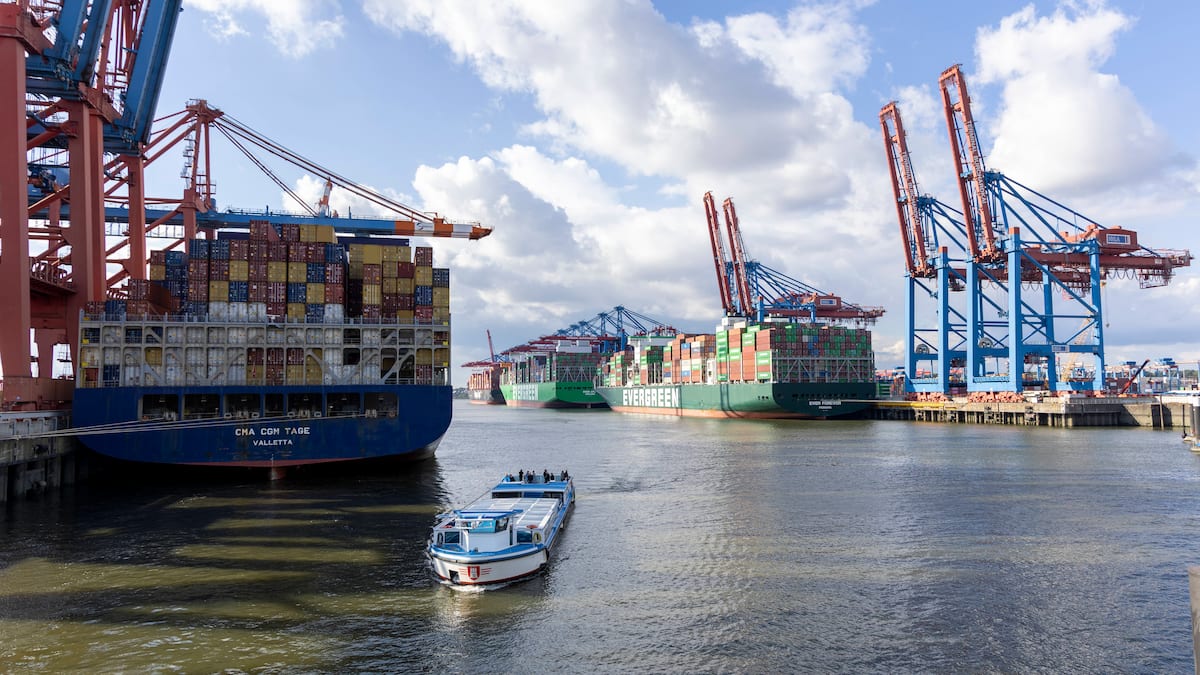
Exports rose 2.0% in the quarter, driven by stronger shipments of machinery, equipment and vehicles, the agency said. Fixed investment in equipment declined 1.4% versus the prior period, while construction spending edged up 0.1%. Private and public consumption each grew 0.1%, indicating muted domestic demand. The expansion occurred despite ongoing disruptions from the Iran conflict, which have kept oil prices elevated.
Industrial sentiment improved markedly in August, with the manufacturing Purchasing Managers’ Index reaching its highest level in more than four years. Analysts cited stronger order books, particularly from government contracts for infrastructure and defense, as key drivers. The German Farmers’ Association raised its 2026 GDP growth forecast to 1.0% from 0.5%, citing the resilience of industrial activity.
The Bundesbank warned that record-low water levels on the Rhine are curbing the recovery. Restricted transport routes and sharply higher shipping costs are expected to weigh on industrial output and export growth in Q3, with the central bank projecting only a marginal increase in GDP for the period.
The Federal Statistical Office’s president, Ruth Brand, attributed the quarter’s growth to robust export performance, noting the continuation of momentum from the start of the year.





