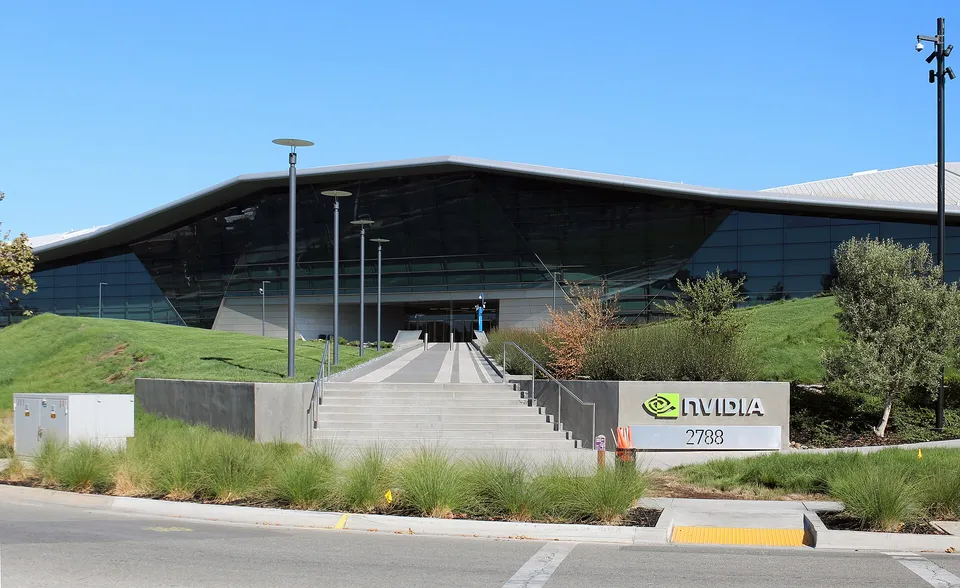
European stock indexes were little changed on Thursday, with gains in semiconductor suppliers offset by declines in broader benchmarks as investors digested Nvidia’s fiscal 2028 outlook and its implications for AI demand.
The Stoxx Europe 600 Index edged 0.1% lower, while Germany’s DAX held flat and France’s CAC 40 fell 0.2%. The FTSE 100 in London declined 0.4%, paring earlier advances after Nvidia’s post-earnings surge faded. The chipmaker’s stock jumped as much as 5.6% in after-hours trading following a revenue forecast that nearly doubled year-on-year and a management outlook calling for approximately 70% growth in fiscal 2028, surpassing consensus estimates of 44%.
Semiconductor suppliers rallied on spillover optimism. ASML Holding NV advanced 2.5%, while STMicroelectronics NV, Infineon Technologies AG, and BE Semiconductors each rose between 2% and 4%. The gains reflected expectations of sustained AI infrastructure investment, though broader European equities remained cautious amid mixed signals from industrial and consumer sectors.
German consumer sentiment improved to -26.6 points for September, according to data from the Nuremberg Institute for Market Decisions and GfK. The rise was driven by gains in economic and income expectations, though households remained cautious about discretionary spending. The modest rebound suggested potential stabilization in private consumption as real wage growth catches up with past inflation.
Oil prices extended declines, with Brent crude falling 0.5% to $87.40 a barrel. The drop marked the fourth consecutive daily decline, driven by reports of Qatar’s prime minister traveling to Tehran to revive U.S.-Iran diplomatic talks and discussions between Iran and Oman on commercial transit through the Strait of Hormuz. The developments eased concerns over potential supply disruptions in a key oil shipping route.
European markets had earlier approached one-week highs, reflecting a pause in trading activity following Nvidia’s results. The chip giant’s performance broke a recent pattern of negative reactions to strong earnings, as CEO Jensen Huang reiterated bullish expectations tied to 'insatiable demand for artificial intelligence hardware.'