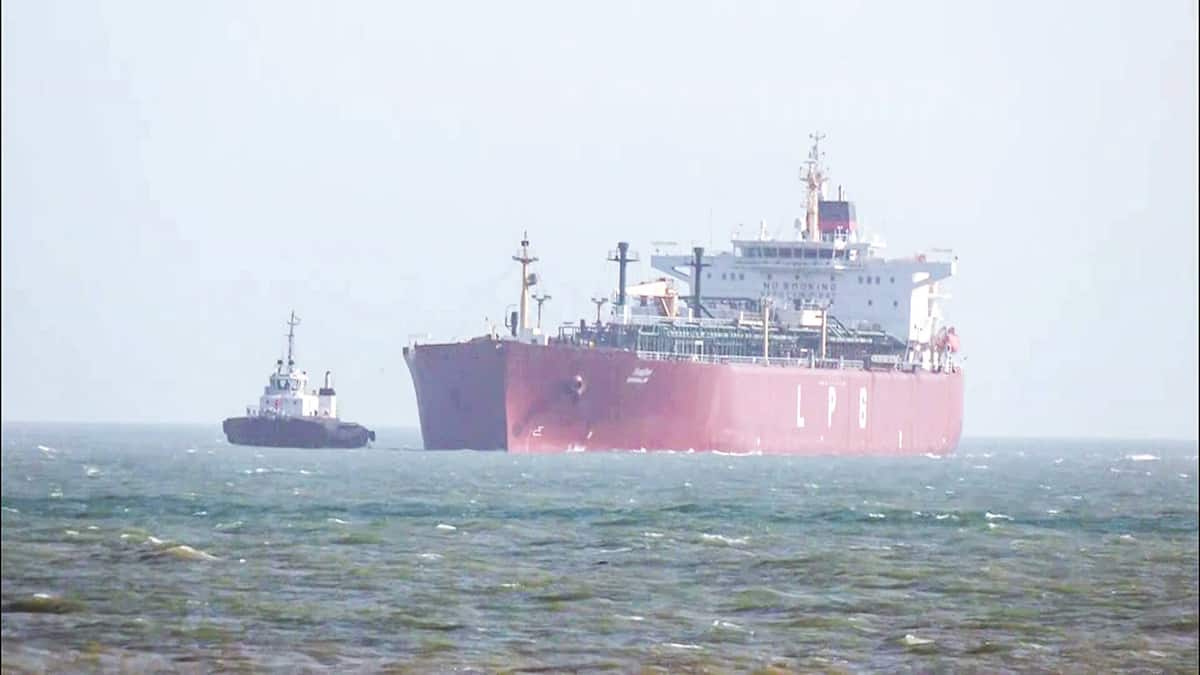
European natural gas prices surged to their highest level since mid-March on Wednesday, as the benchmark Dutch TTF front-month futures contract traded at €64.60 per megawatt hour (MWh) in Amsterdam.
The price spike comes amid renewed geopolitical tensions in the Persian Gulf, where the Iran-Israel conflict that began in late February has disrupted energy supply routes. The conflict briefly pushed TTF prices near €70/MWh in March, up from around €30/MWh before the war. Since then, prices have climbed more than 20% over the past two weeks alone.
Market participants cite concerns over the continued closure of key energy shipping lanes, particularly the Strait of Hormuz, where Iran has demanded the implementation of a U.S.-brokered framework agreement signed in mid-June before allowing normal trade flows. Recent reports of attacks on commercial vessels in the region and the interception of ballistic missiles fired from Iran toward the United Arab Emirates have further heightened supply security fears. Iran has denied involvement in any missile strikes.
The price surge coincides with critically low European gas storage levels. Data from the Gas Infrastructure Europe (GIE) association showed that storage facilities were 61.37% full as of August 17, down from 73.99% a year earlier. Germany’s storage levels were particularly weak, at 50.06%, compared with 66.95% in the same period last year.
The German gas storage association FNB-Gas warned that meeting the legally mandated 95% fill level by November 1, 2026, appears increasingly unattainable, even at maximum observed injection rates of 1.2 terawatt-hours (TWh) per day. Current injection volumes remain significantly below this threshold.