





A strengthening El Niño weather pattern is expected to disrupt harvests of cocoa, coffee and sugar in the second half of 2024, potentially driving prices higher after recent gains. The U.S. Climate Prediction Center now estimates a more than 90% chance of a very strong El Niño event during the Northern Hemisphere autumn and winter of 2026/27, up from a 63% probability in early June.
El Niño, a periodic warming of ocean surfaces in the eastern Pacific driven by weakening trade winds, typically lasts nine to twelve months. Its effects vary by region: South and Southeast Asia, Australia and southern Africa often face drought, while southern South America and parts of the U.S. experience heavy rainfall. For farmers, these weather anomalies compound existing cost pressures from elevated fertilizer and diesel prices linked to geopolitical tensions in the Middle East.
Cocoa production is particularly vulnerable. WisdomTree notes that every strong El Niño event over the past 55 years has reduced cocoa output. West Africa, home to the Ivory Coast and Ghana—the world’s two largest producers—experienced extreme rainfall and fungal infections followed by heat and dry winds during the last event. The cocoa price tripled in 2024, reaching record highs. “People assume El Niño only brings drought to West Africa, but that’s not always the case,” said Jim Roemer of Best Weather, noting that climate change can initially cause excessive rainfall.
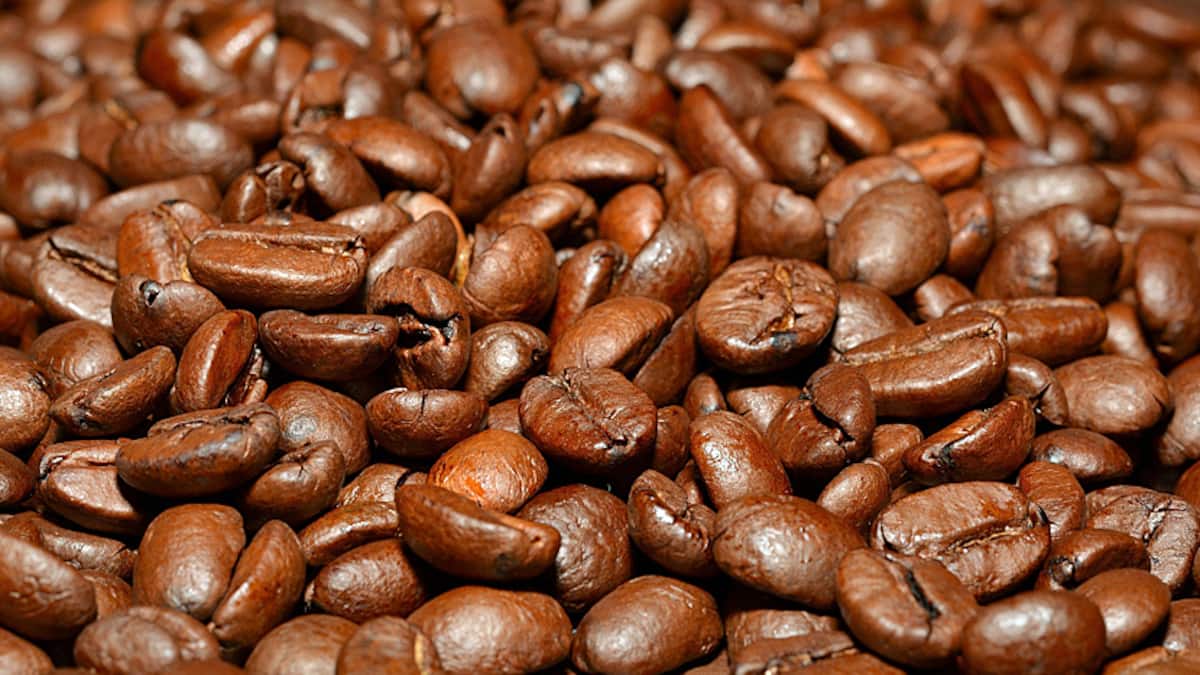
Robusta coffee, primarily grown in Vietnam and Indonesia, faces heat and dryness risks under El Niño, with the two countries accounting for roughly half of global production. Arabica coffee, mainly cultivated in Brazil, presents mixed effects: while warmer temperatures may reduce harmful winter frosts, prolonged dryness during critical growth phases could threaten the next harvest.
Sugar markets are also at risk. In Brazil, the world’s largest producer, El Niño often brings excessive rainfall that disrupts harvesting and degrades crop quality. In Thailand and India, the phenomenon typically causes dryness. India’s monsoon, already forecast to be the weakest in eleven years for 2026, could see sugar production drop by about one million tons if a moderate El Niño materializes, according to Carlos de Mello of Hedgepoint. However, heavier rains in Brazil may benefit the following year’s harvest, potentially limiting sustained price increases for sugar.






