





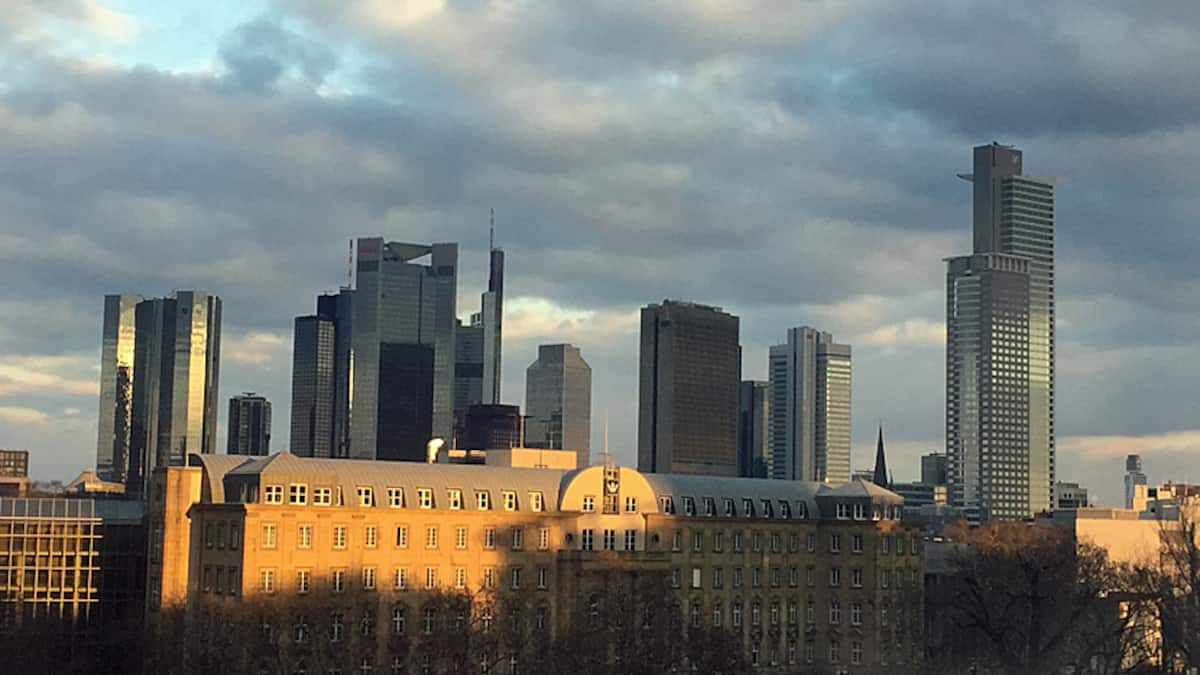
Germany's DAX rose slightly in early trading Thursday, with the cash-settled X-Dax indicator showing a gain of 0.5% at 25,717 points an hour before the open.
The rebound followed a session in which the index struggled to sustain momentum above its 50-day moving average, ultimately closing virtually unchanged. Investors are now looking to diplomatic developments for direction.
For the first time in months, representatives of the United States and Iran have convened for negotiations, lifting sentiment across European markets. Traders are hoping the talks will ease concerns over a prolonged disruption of oil shipments through the Strait of Hormuz, which sent Brent crude briefly to $110 a barrel last week.
That spike revived fears of persistent inflation and the prospect of further interest-rate hikes by central banks — moves that typically make equities less attractive relative to fixed-income assets. Brent has since retreated to a clear discount below $100.
The U.S. Nasdaq 100 also provided support, climbing to a record high for the first time since June.
Despite the positive backdrop, some analysts urge caution. Jochen Stanzl, chief market analyst at Consorsbank, said political uncertainty in Germany continues to weigh on foreign investor appetite. "International investors are currently giving German equities a wide berth," he said, noting that institutional clients are demanding reassurance about political stability at the federal level after governing parties suffered heavy defeats in recent state elections.
Among individual names, Siltronic fell nearly 5% in pre-market trading on Tradegate, trailing its Tuesday Xetra close, after Wacker Chemie reduced its stake in the semiconductor wafer maker.
Seed producer KWS Saat dropped more than 7% on Tradegate after outlining a modest recovery. The company forecast revenue would grow approximately 3% on a comparable basis — excluding currency and portfolio effects — for the fiscal year ending in 2028, a figure at the lower end of its target range.
The Dow Jones Euro Stoxx 50 was also in focus, with early morning activity tracking the broader European equity mood.





