





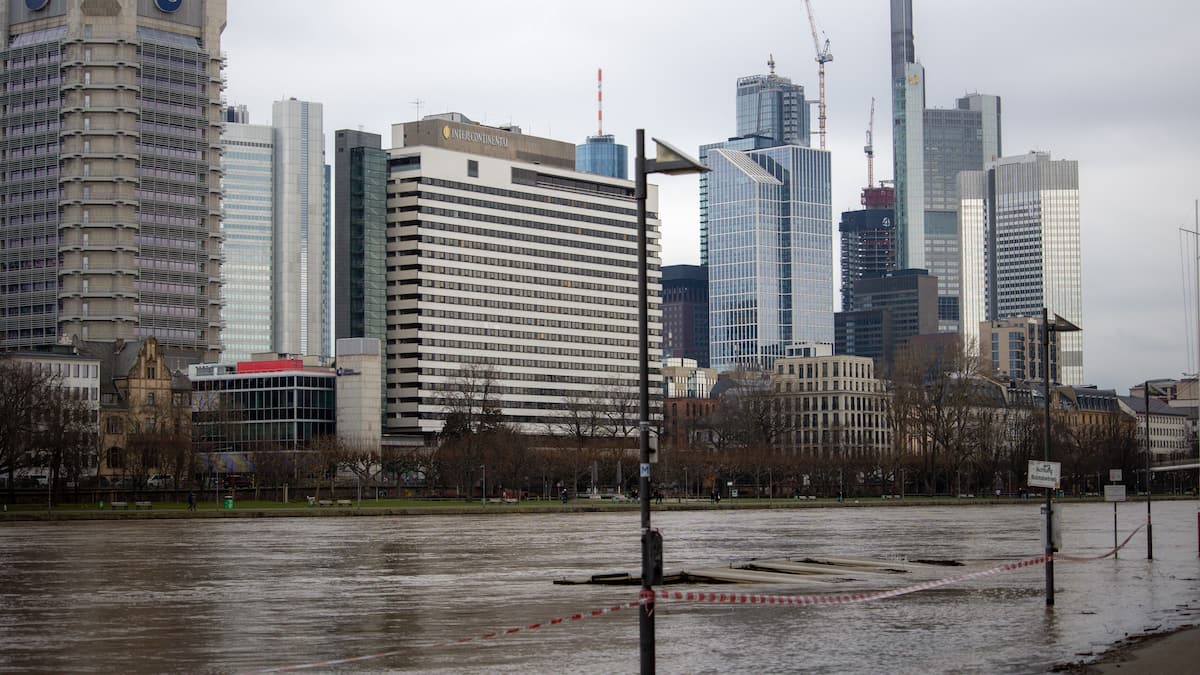
German equity markets came under pressure midweek as the price of Brent crude oil surged past $100 a barrel, compounding concerns over energy costs across Europe. The DAX fell 1.7% to close at 25,560 points on heavy turnover, marking its lowest level since the end of July. If losses extend into afternoon trading, it would mark the index's worst session since March.
The benchmark Brent crude climbed through the $100 barrier on Wednesday, extending a year-to-date gain of 64%. Refined products such as diesel have risen even more sharply, driven by the escalation of conflict in the Middle East, which has now reached the Red Sea near Saudi Arabia. European natural gas prices advanced for a fourth consecutive trading session.
Jim Reid, a strategist at Deutsche Bank, wrote that investors are pricing in further disruptions to oil production and transport, as well as sustained higher energy costs. "Skepticism is growing that oil prices will fall significantly in the coming months," Reid said.
Looking ahead, market participants are expected to hold back on equity purchases ahead of the European Central Bank's policy decision on Thursday. The central bank is widely anticipated to deliver its second interest-rate increase of the year.
The MDax, tracking mid-cap German stocks, fell 1.4% to 32,090 points. The pan-European EuroStoxx 50 index also declined, continuing a broad sell-off across the region.
Among individual names, SAP shares gained 2.2% despite the weak market trend, rebounding after selling pressure the previous day triggered by fresh concerns on Wall Street about artificial-intelligence competition in the software sector. Deutsche Bank downgraded Beiersdorf from hold to sell, sending its shares down 1.9%. Other technology stocks struggled, with Infineon, Aixtron, Jenoptik and PVA Tecla dropping between 2.7% and 4.3%.
The Deutsche Börse announced it will issue €600 million in convertible bonds to fund general corporate purposes and liabilities. Its shares fell 2.5%.
Sources: dpa-AFX, Benjamin Krieger.





