Brent crude futures fell about 1% to $93.22 per barrel on Monday, reversing recent gains driven by geopolitical risks in the Middle East. US benchmark West Texas Intermediate (WTI) declined nearly 2% to $85.53 per barrel.
The retreat follows weeks of price strength, during which Brent and WTI surged nearly 20% from their early-August three-week lows. The rally was fueled by stalled negotiations between the US and Iran, raising concerns over potential supply disruptions. However, investor focus has now shifted toward upcoming US economic measures against Tehran, with Finance Minister Scott Bessent scheduled to detail new sanctions at 20:00 CEST on Monday.
Analysts remain divided on the likely impact of Washington’s policy shift. CMC Markets chief analyst Andreas Lipkow suggested markets are pricing in a greater emphasis on economic pressure over military action. IG’s Tony Sycamore cautioned that Iran’s leadership remains split between pragmatists favoring de-escalation and hardliners pushing for continued confrontation, adding that the outcome may not be clear until the end of the week.
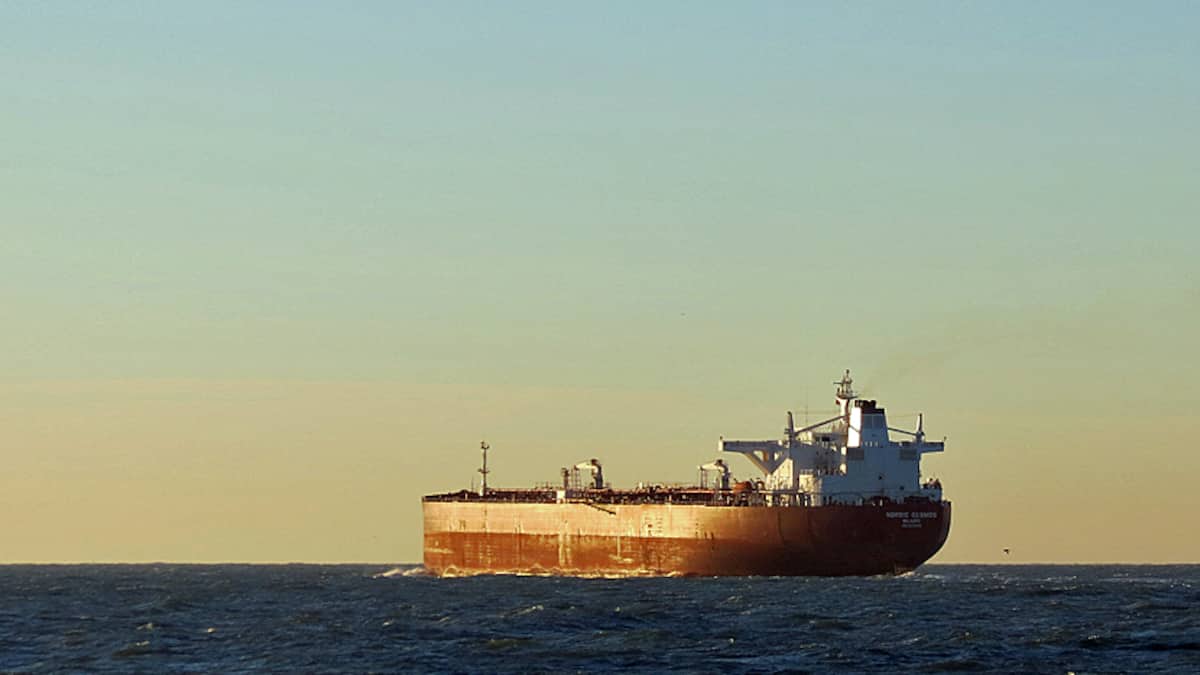
Meanwhile, shipping data indicates limited relief in regional oil transit. Despite Iran’s reported approval for Iraqi oil tankers to pass through the Strait of Hormuz—announced by state media agency IRNA on Saturday—the number of commodity vessels transiting the critical chokepoint remained below 20 over the weekend. Morgan Stanley analysts noted that crude supply tightness persists, citing one of the steepest declines in seaborne oil shipments in recent weeks alongside declining onshore inventories, including in China.
The evolving sanctions outlook and constrained shipping flows underscore the fragile balance in global oil markets, where geopolitical developments continue to shape price dynamics despite easing immediate conflict risks.