





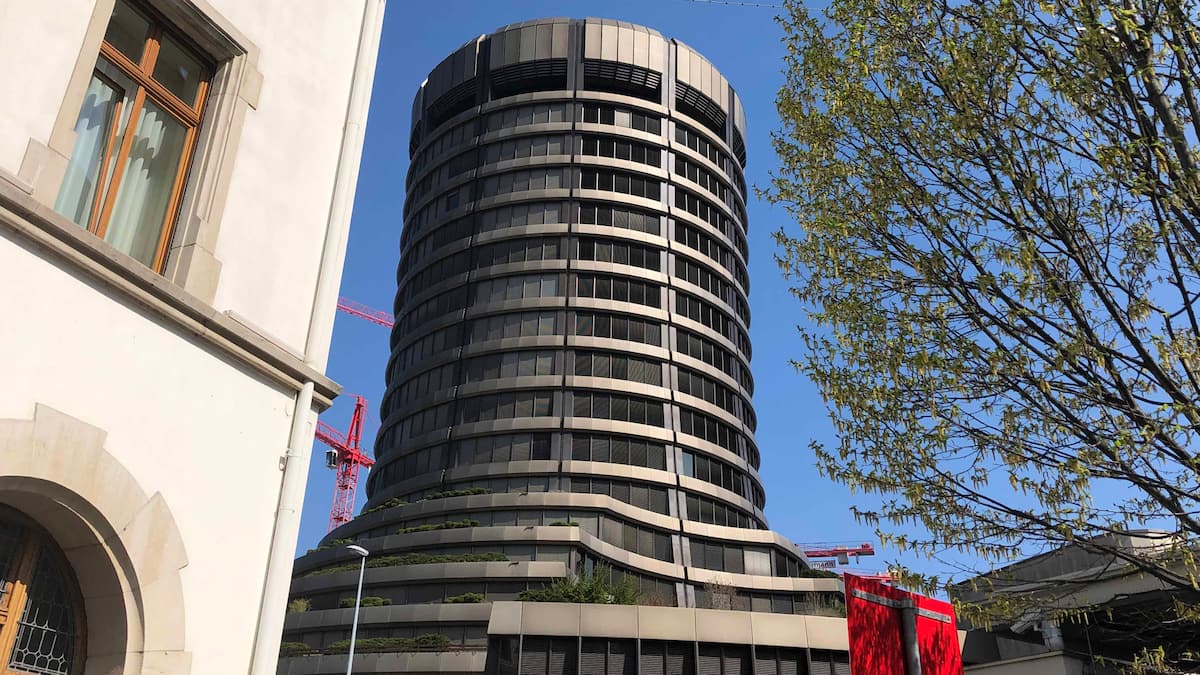
Pablo Hernandez de Cos, head of the Bank for International Settlements (BIS), warned Thursday of new financial stability risks stemming from the rapid expansion of artificial intelligence investment.
Speaking at a conference hosted by the Reserve Bank of India, Hernandez de Cos said the scale of spending on AI infrastructure had already reached levels capable of influencing the global economy, urging caution given the enormous investment sums and elevated expectations surrounding the technology.
Estimates by the BIS indicate the five largest technology companies worldwide will invest more than $1 trillion in AI across 2025 and 2026. Industry forecasts suggest global AI investments could rise from roughly $500 billion today to as much as $4 trillion by 2030.
"The promise of AI is real," Hernandez de Cos said, but stressed that long-term outcomes would depend on political choices and how broadly the technology's benefits are distributed across society. Studies suggest AI can boost productivity on certain tasks — such as programming or professional writing — by 10 to 65 percent.
The central banker expressed particular concern about how the AI boom is being financed. Investment is increasingly funded through debt and so-called private credit rather than corporate profits. Much of this financing is "opaque and interconnected," requiring closer scrutiny, he said.
Hernandez de Cos warned that high valuations, strong concentration among a small number of companies, and opaque funding structures could create weaknesses in the financial system if corporate profits fall short of expectations. He also noted early signs that AI is already causing job losses in areas such as customer service and administration.
"I'm not saying the AI boom must end this way," he added. "But the scale and speed of the current investment boom, as well as the scale of expected commercial returns, warrant a degree of caution." He drew parallels to earlier investment waves such as the 19th-century railway expansion and the dotcom boom around the turn of the millennium.
Hernandez de Cos also noted that AI is making economies harder for central banks to interpret, as the technology simultaneously affects supply, demand and financial markets.





