Malaysia's consumer price index rose 1.8% in July from a year earlier, data from the Department of Statistics showed on Friday, falling short of the 2.0% increase forecast by economists.
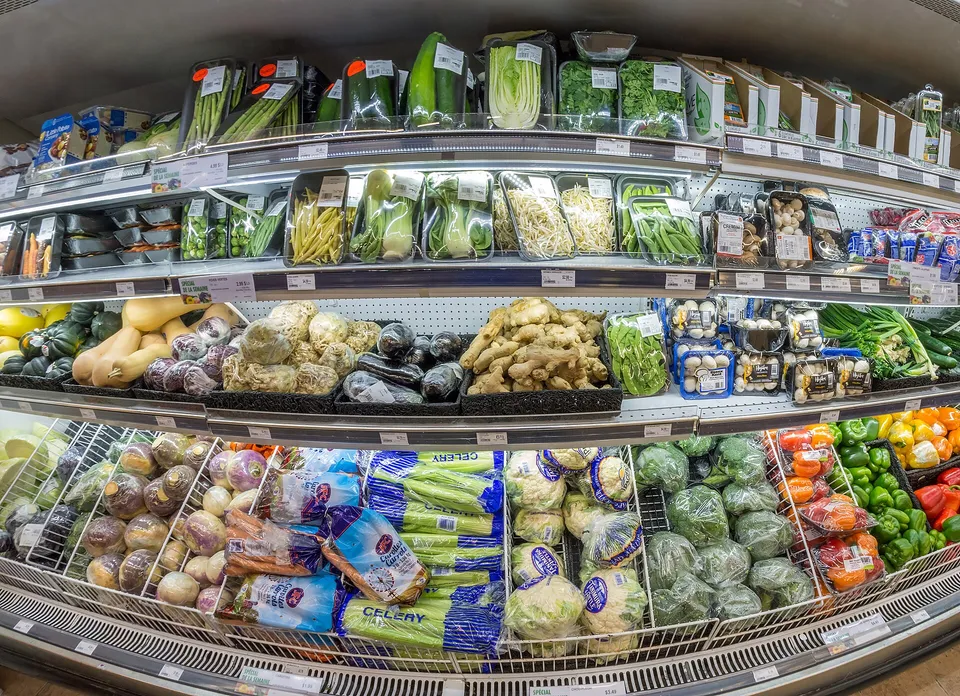
The increase was driven by higher prices for food and non-alcoholic beverages, which rose 4.1% year-on-year, while transport costs climbed 0.6%. Housing, water, electricity, gas and other fuels also contributed to the gain, increasing 2.0%.
On a month-on-month basis, CPI edged up 0.2%, matching the rise recorded in June. Core inflation, which excludes volatile food and energy prices, rose 1.9% year-on-year, easing slightly from June's 2.0%.
Analysts attributed the softer-than-expected CPI to moderating food prices and a slowdown in transport cost inflation. Food inflation has been a key driver of price pressures in recent months, though the pace of increase has slowed in July.
The central bank, which has maintained its benchmark interest rate at 3.00% since May 2023, has cited inflation risks as a key factor in its policy stance. The latest data may reinforce expectations for steady policy rates in the near term, given the absence of significant inflationary pressures.
Malaysia's inflation has remained within the central bank's target range of 2.0% to 3.0% for most of the year, despite periodic spikes in food prices.