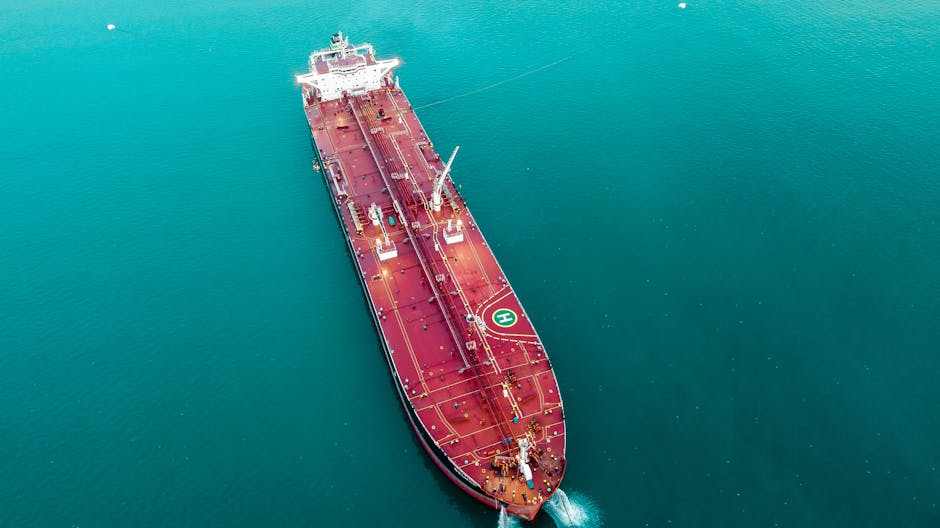
Why Hormuz Tensions Are Driving Up Shipping Insurance and Squeezing Refiners
As Iran and Oman edge toward a Hormuz reopening, the real price shock is coming from soaring marine insurance premiums that are adding a hidden cost to crude and tightening refinery margins.
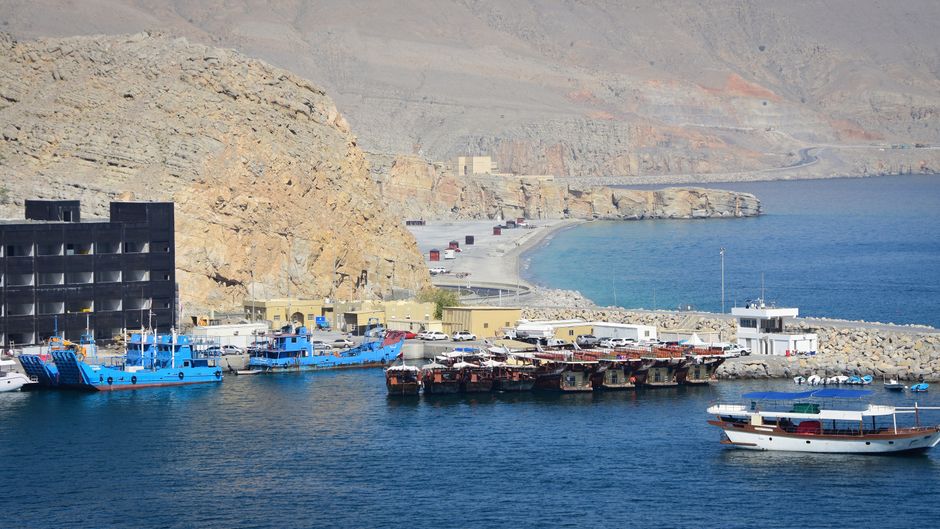
I’ve been watching the Iran‑Oman talks for weeks, and the headlines rightly focus on a potential strait reopening. What most market participants overlook, however, is the insurance side‑car that has already begun to bite into oil prices.
Marine insurers have been hiking war‑risk premiums for vessels transiting Hormuz since the early days of the latest diplomatic flare‑up. The cost of a typical hull and cargo policy for a VLCC can now run in the range of $2‑$4 per barrel of cargo, a stark jump from the sub‑$1 levels we saw before the tensions reignited.
Those extra dollars are not a theoretical drag; they flow straight into the spot price of crude. In the last month, Brent has been trading a few dollars above the forward curve, a spread that analysts are attributing largely to the insurance surcharge rather than pure supply‑demand fundamentals.
For refiners, the story is even less rosy. Their input cost rises while the downstream price ladder remains constrained by global demand outlooks. The net effect is a compression of refining margins that could force some plants to trim runs or defer maintenance, especially in Europe where margins are already thin.
The hidden cost also nudges strategic thinking. Some shippers are evaluating alternative routes—like the Cape of Good Hope—despite longer transit times, because the insurance premium differential can make the longer voyage financially comparable. That, in turn, adds pressure on the global freight market and could accelerate interest in non‑oil energy sources as investors seek to sidestep geopolitical risk.
U.S. policy will be decisive. A clear signal that Washington will keep the strait open, or at least deter further escalation, would likely cause insurers to dial back premiums. Until then, the risk premium remains a leading indicator of oil price volatility.
Bottom line: the Hormuz narrative isn’t just about barrels on a ship; it’s about the insurance bill that rides on every barrel. Traders and analysts should start watching marine insurance indices as closely as they watch OPEC announcements, because they are now a material component of the oil price equation.


David reports on energy, metals and agricultural markets, tracking how supply signals and safe-haven demand move prices across the commodities complex.
More from David Chen →