Hormuz, Gold and Avocados: Why Geopolitics Still Drives Commodities
Iran’s near‑term Hormuz opening, a bullish call on gold and a tentative avocado restart all point to a market where geopolitical risk and supply bottlenecks still dominate price moves.

I’ve been watching the commodities landscape for months, and the latest trio of headlines – Iran’s near‑completion of an Oman‑mediated deal on Hormuz, Citadel’s Rubner urging a return to gold buying, and the United States’ partial restart of avocado shipments from Mexico – reinforce a simple truth: geopolitics and supply bottlenecks still dominate price dynamics.
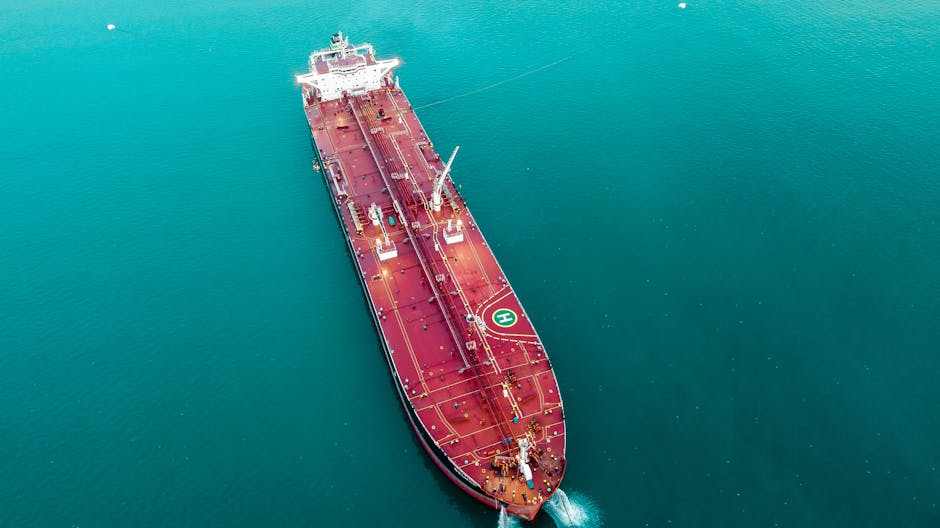
The Hormuz story is a reminder that the world’s most important oil chokepoint remains a political lever. Iran’s claim that talks with Oman are “near completion” is as much a diplomatic signal as a market one; the Strait carries roughly a fifth of global seaborne oil. Any perception that the waterway could be closed again instantly inflates risk premia across crude, refined products and even related energy commodities.
What makes the Iranian appeal to Washington particularly interesting is the implicit request for the United States to take concrete steps to keep the passage open. Historically, U.S. naval presence has acted as a de‑facto insurance policy for shippers. If Washington were to scale back its escort operations, we could see a rapid widening of Brent‑WTI spreads and a short‑term rally in alternative fuels such as LNG, as traders hedge against a potential supply shock.
Across the other side of the risk spectrum, Citadel’s senior analyst Rubner has signalled that the gold market is moving out of its defensive posture. After months of muted inflation data and a relatively stable dollar, the metal’s price‑to‑earnings ratio is edging back toward historical averages, and the forward curve is no longer in deep contango. In short, the risk‑adjusted return on gold is becoming more attractive than it has been in the past year.
That shift is not happening in a vacuum. The same geopolitical tension that fuels oil price spikes also underpins safe‑haven demand for gold. Investors who have been watching the Hormuz negotiations will recall that every flare‑up in the Middle East has historically lifted the spot price of gold, as risk‑averse capital seeks a store of value that is insulated from oil‑linked inflation.
Meanwhile, on the agricultural front, the United States’ decision to partially restart activities in Mexico’s avocado hub is a modest but telling sign that supply chain disruptions are easing. The suspension earlier this year was driven by a combination of COVID‑related labor shortages and security concerns in the region. A limited resumption suggests that growers are regaining confidence, but the phrase “partial restart” also hints that the market is still fragile.
The avocado story underscores a broader point: even commodities that seem far removed from geopolitics are vulnerable to political and logistical shocks. A modest uptick in avocado shipments can tighten inventories and support prices, especially given the fruit’s growing popularity in the U.S. market. It also reminds us that supply‑side news can be just as price‑moving as demand‑side macro data.
Putting the three threads together, my view is that the commodities arena will remain highly sensitive to any new developments in Hormuz, to shifts in safe‑haven sentiment, and to the gradual normalization of agricultural supply chains. While the fundamentals of each market differ, the common denominator is risk. Traders and investors should keep a close eye on diplomatic headlines and on the pace at which disrupted supply lines are being mended, because those factors will continue to set the tone for price action across the board.


David reports on energy, metals and agricultural markets, tracking how supply signals and safe-haven demand move prices across the commodities complex.
More from David Chen →