Retail CFD frenzy fuels 40% volume surge amid summer volatility
Brokers report a 40% jump in retail CFD trading on major indices as summer volatility spikes, while new entrant TropixPro accelerates the market’s accessibility.
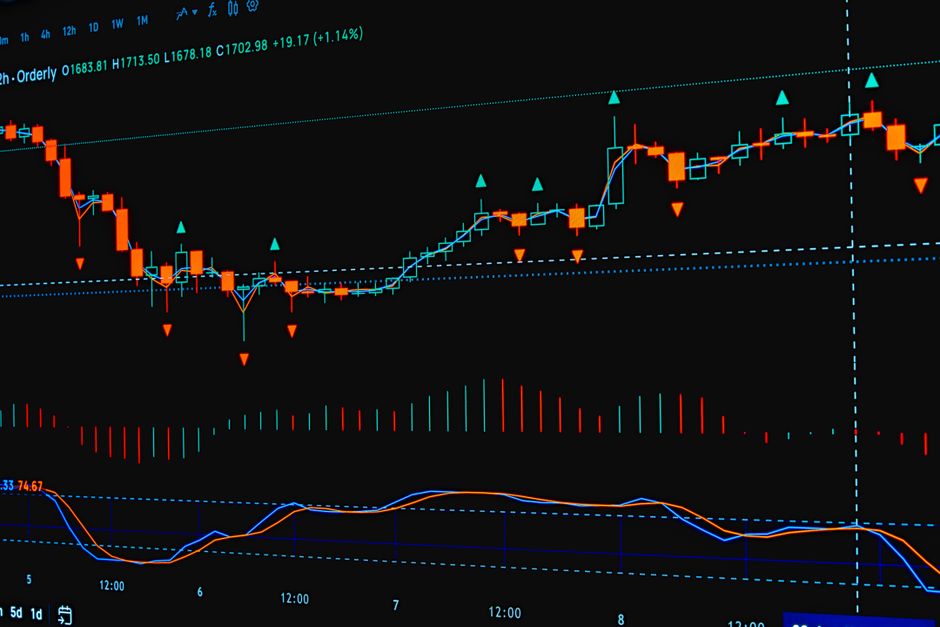
I’ve been watching the CFD market for years, but the latest broker data has forced me to sit up straight: retail CFD activity on the big equity indices is up roughly 40% compared with the same period last year. That surge isn’t a gradual build‑up; it’s a sharp inflection point that coincides with a summer of choppy price action and a string of macro‑economic surprises.
What’s driving that jump? The obvious answer is volatility. The S&P 500, FTSE 100 and other flagship indices have been swinging on earnings releases, central‑bank commentary and geopolitical jitters, giving retail traders the illusion of quick profit opportunities. When markets move in a wide‑range fashion, the leverage embedded in a CFD becomes a magnet for those looking to amplify small price moves.
The retail bias is evident in the broker reports themselves – they note a clear tilt toward long positions on the major equity indices, as traders gamble on a late‑summer rally. At the same time, short‑side exposure on commodities has risen, reflecting concerns over lingering supply‑chain strains. It’s a pattern that mirrors past periods of heightened market stress, where the allure of leveraged bets outpaces the underlying fundamentals.
Enter TropixPro, the newcomer that has been the subject of recent coverage. Its slick, app‑first interface and low‑minimum‑margin requirements have lowered the entry barrier for a generation of traders who grew up on mobile platforms. The platform’s marketing emphasizes “instant access” and “gamified learning,” which, while appealing, also blurs the line between investing and speculation. The timing of its launch could not be more convenient for a market already buzzing with activity.
That convenience comes with a price. Leverage amplifies both gains and losses, and the recent volume surge means that a sudden reversal could trigger a cascade of margin calls. Retail participants, many of whom are still learning the mechanics of stop‑loss management, may find themselves on the wrong side of a rapid unwind. Regulators have already flagged the systemic risk of such concentrated exposure, and we may see tighter margin‑requirement rules if the volatility spikes again.
Institutional players, by contrast, remain relatively cautious. While some hedge funds continue to use CFDs for hedging or tactical exposure, they are not feeding the 40% retail surge. Their positioning data shows a more balanced long‑short mix and a focus on risk‑adjusted returns rather than pure speculative bets.
Looking ahead, I suspect the summer volatility will eventually subside, but the market’s appetite for leveraged exposure is unlikely to disappear overnight. If anything, the combination of a high‑profile platform like TropixPro and the recent volume spike may embed a higher baseline of retail participation in the CFD space. That could invite further regulatory scrutiny and, more importantly, a need for better investor education.
My take is simple: the current CFD boom is more about speculative fervour than sound trading strategy. Retail traders should treat leveraged CFD exposure as a high‑risk bet, keep position sizes modest, and be prepared for rapid market swings. The market will reward discipline; it will punish recklessness.


Amara writes on retail and institutional derivatives trading, with an emphasis on CFD volumes and positioning data across major indices and commodities.
More from Amara Osei →